Milo Zinser-Trudel, Reporter
Photos by Milo Zinser-Trudel
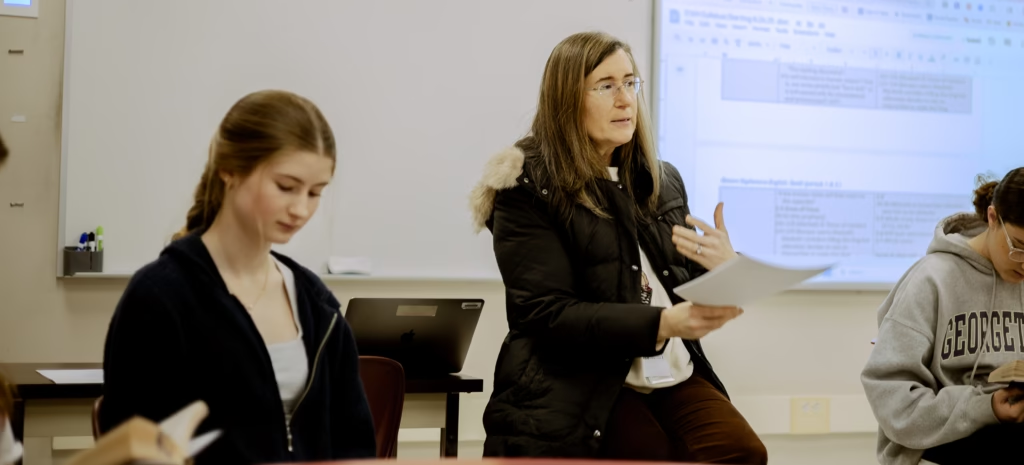
Shakespeare’s plays are a familiar sight in English classes at NCHS, from freshman to senior year. The typical student will read three, and classes frequently spend time performing scenes and even whole acts from them. These performances are generally informal and unrehearsed, without props or scenery, focusing more on textual understanding than production values.
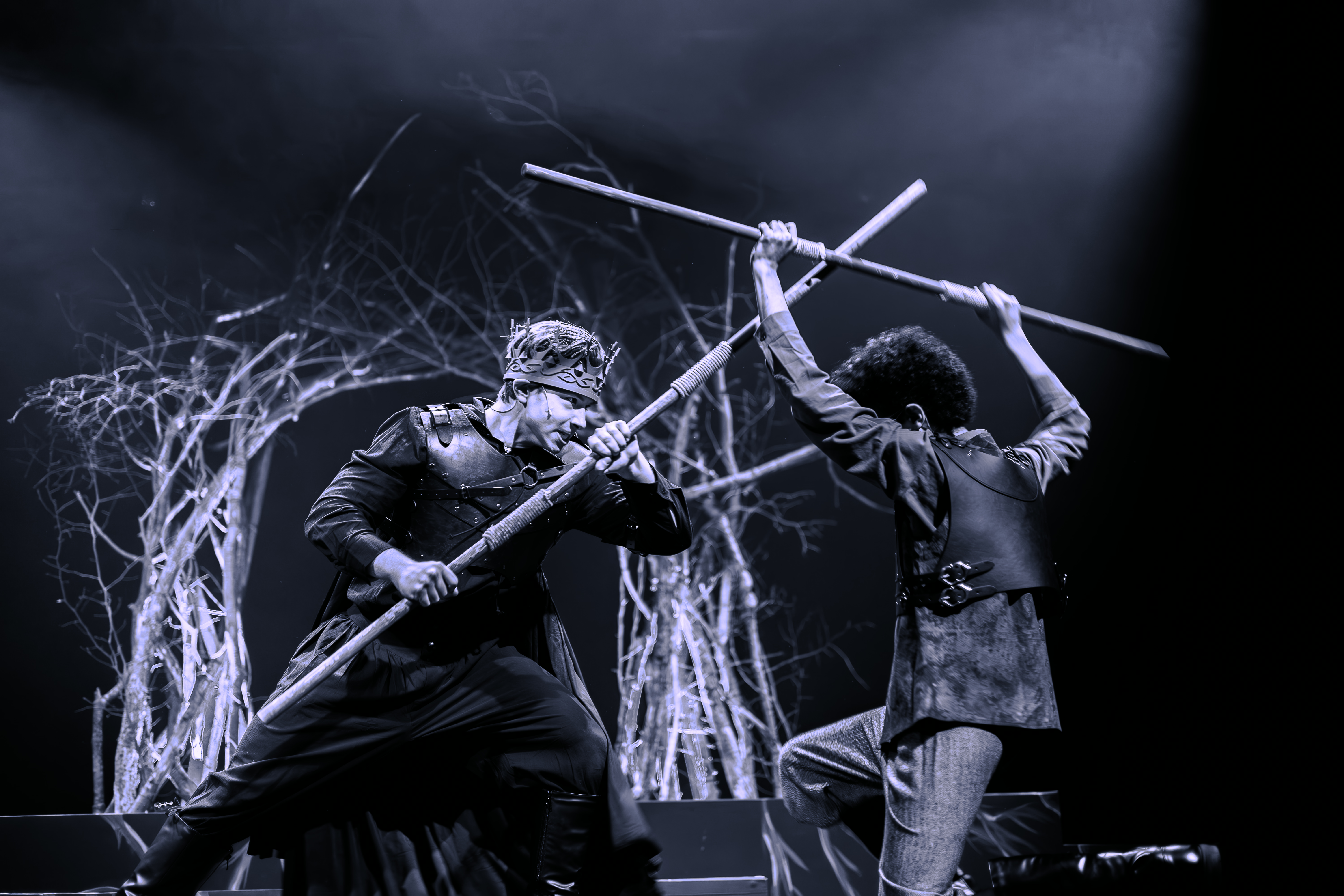
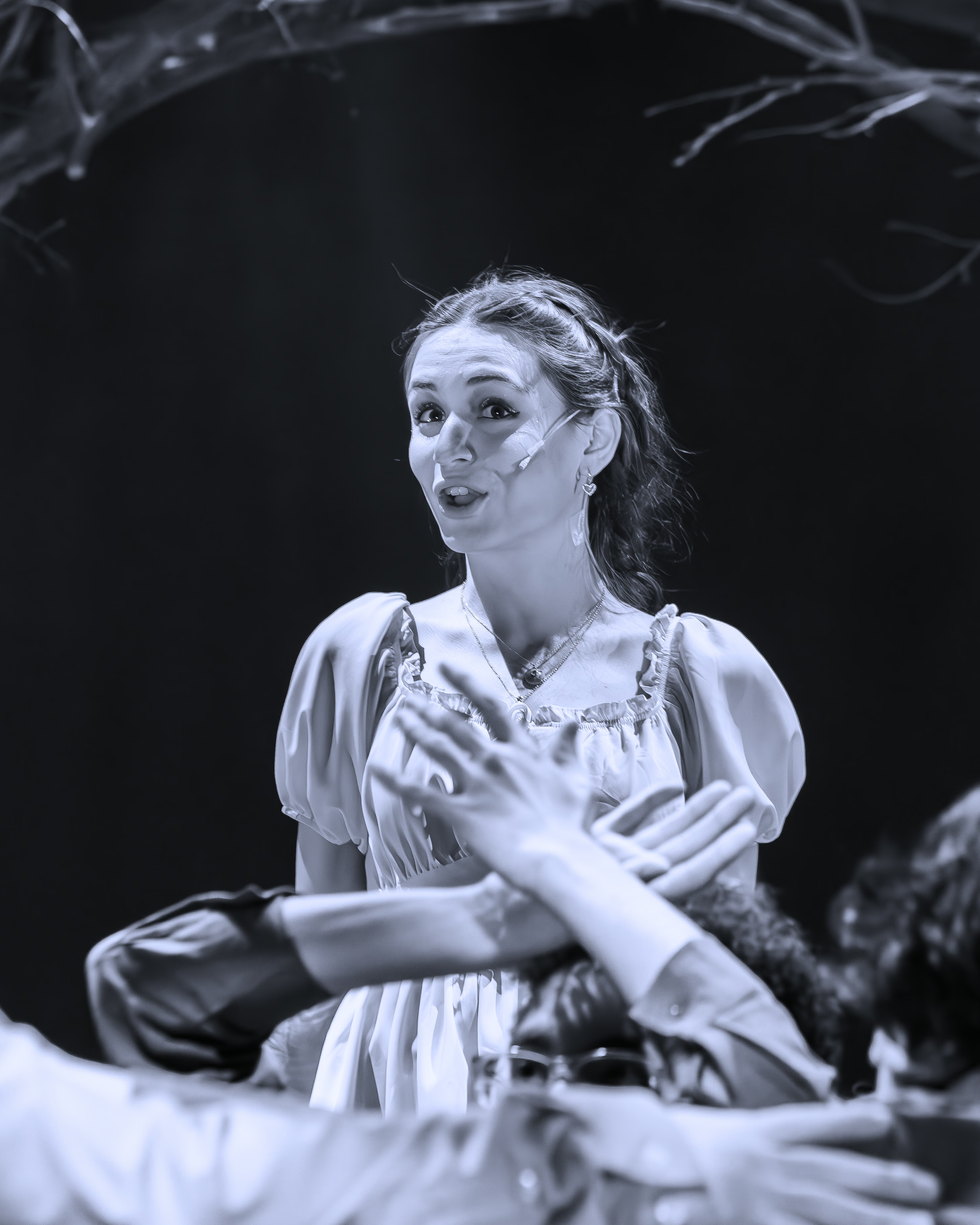
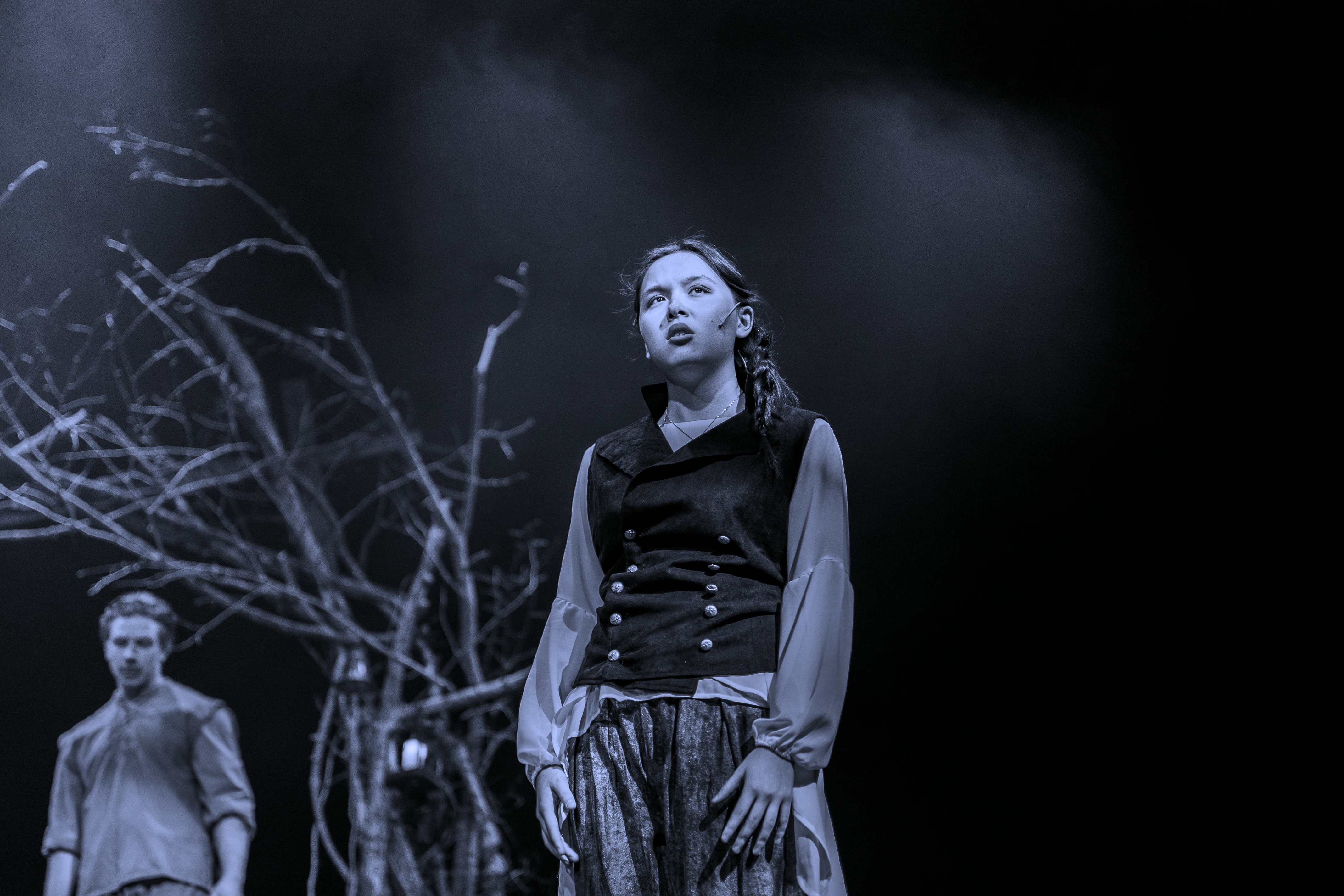
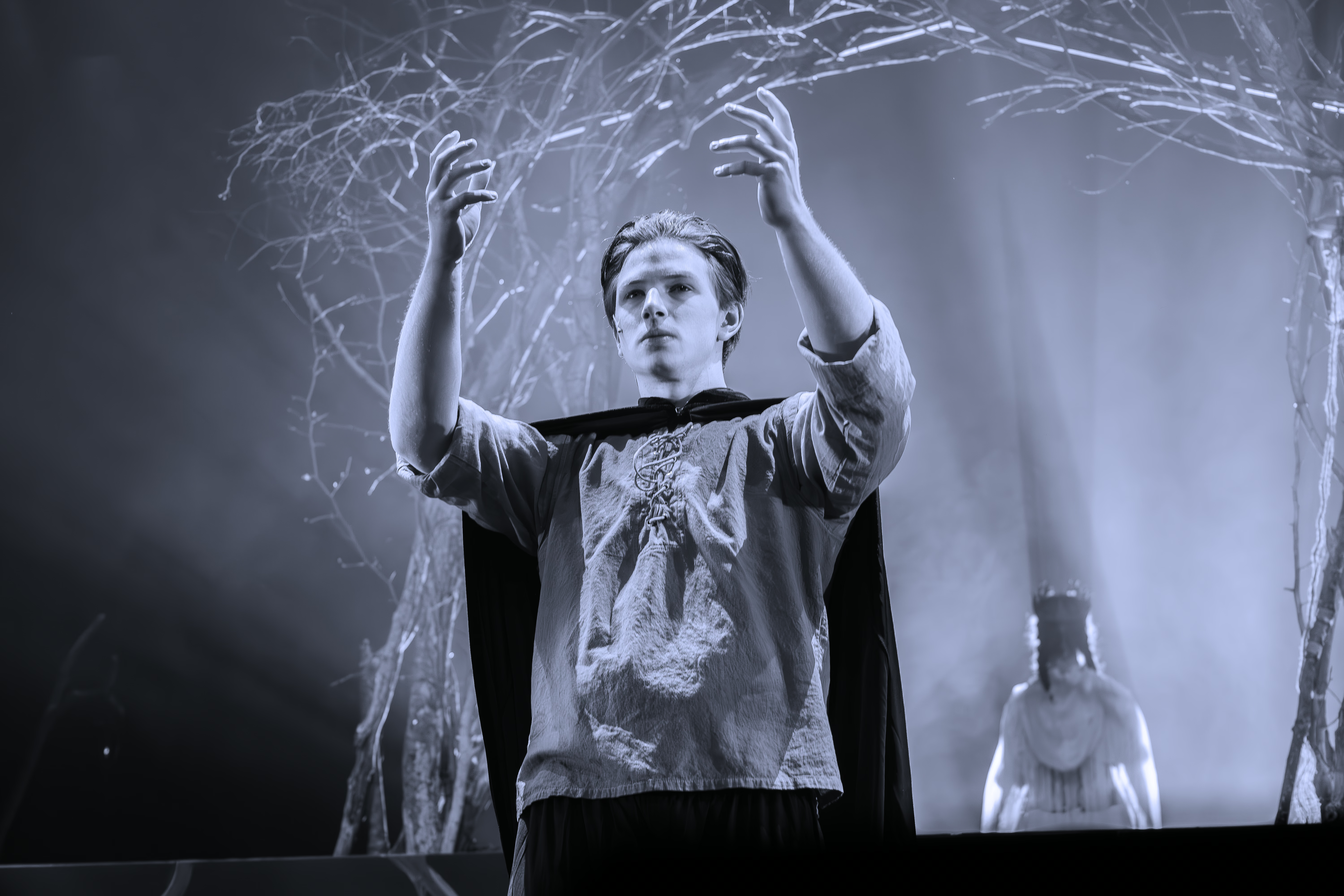
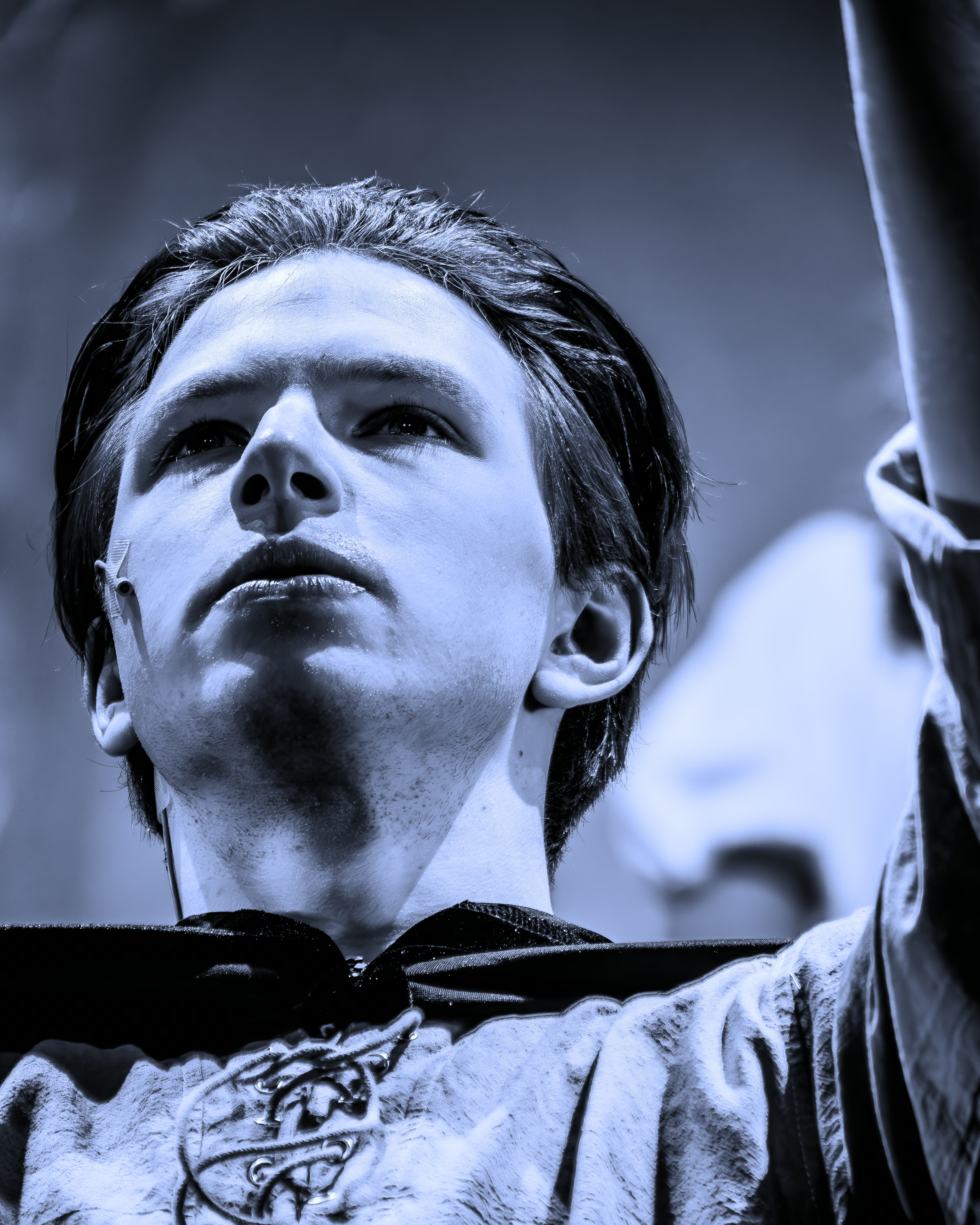
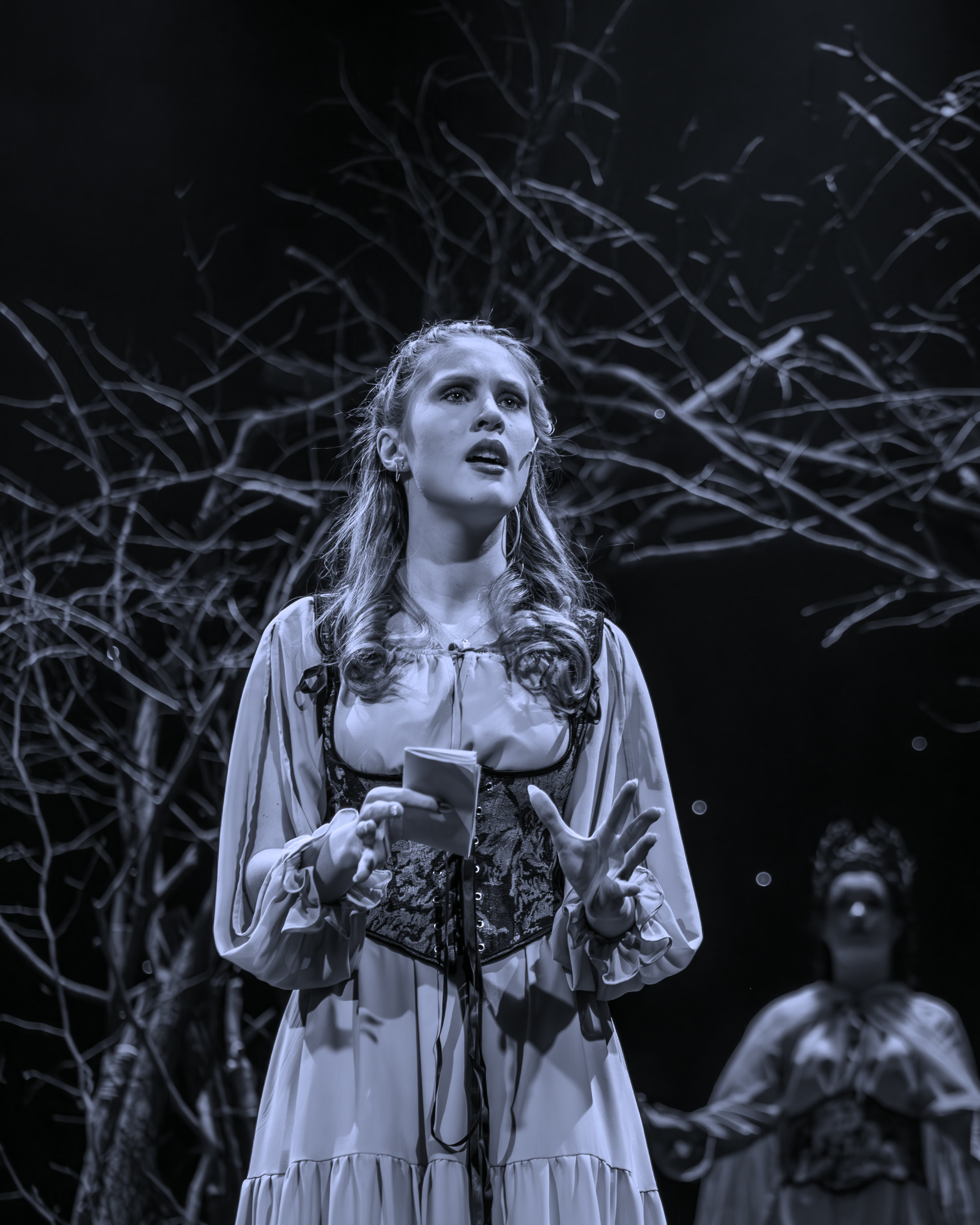
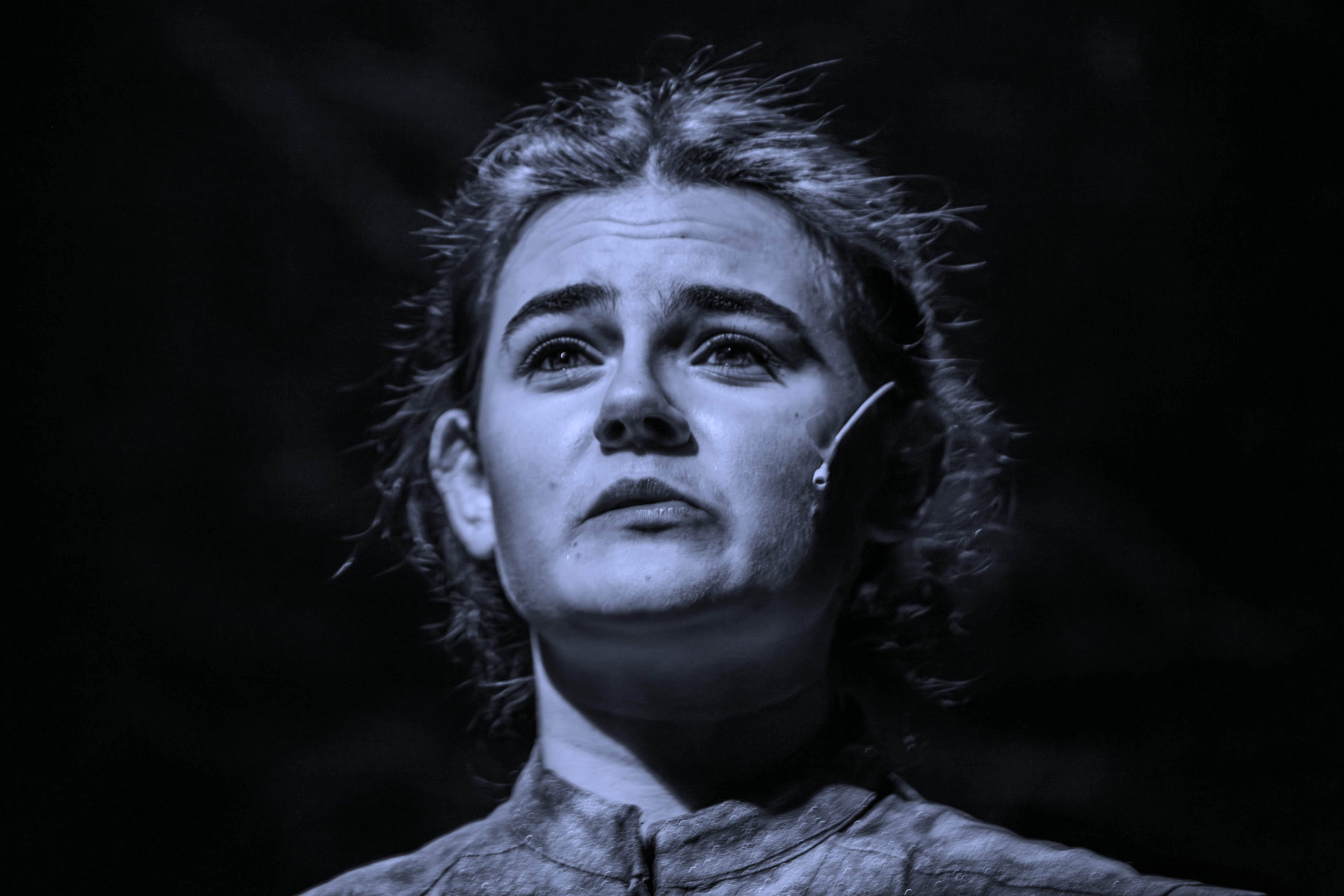
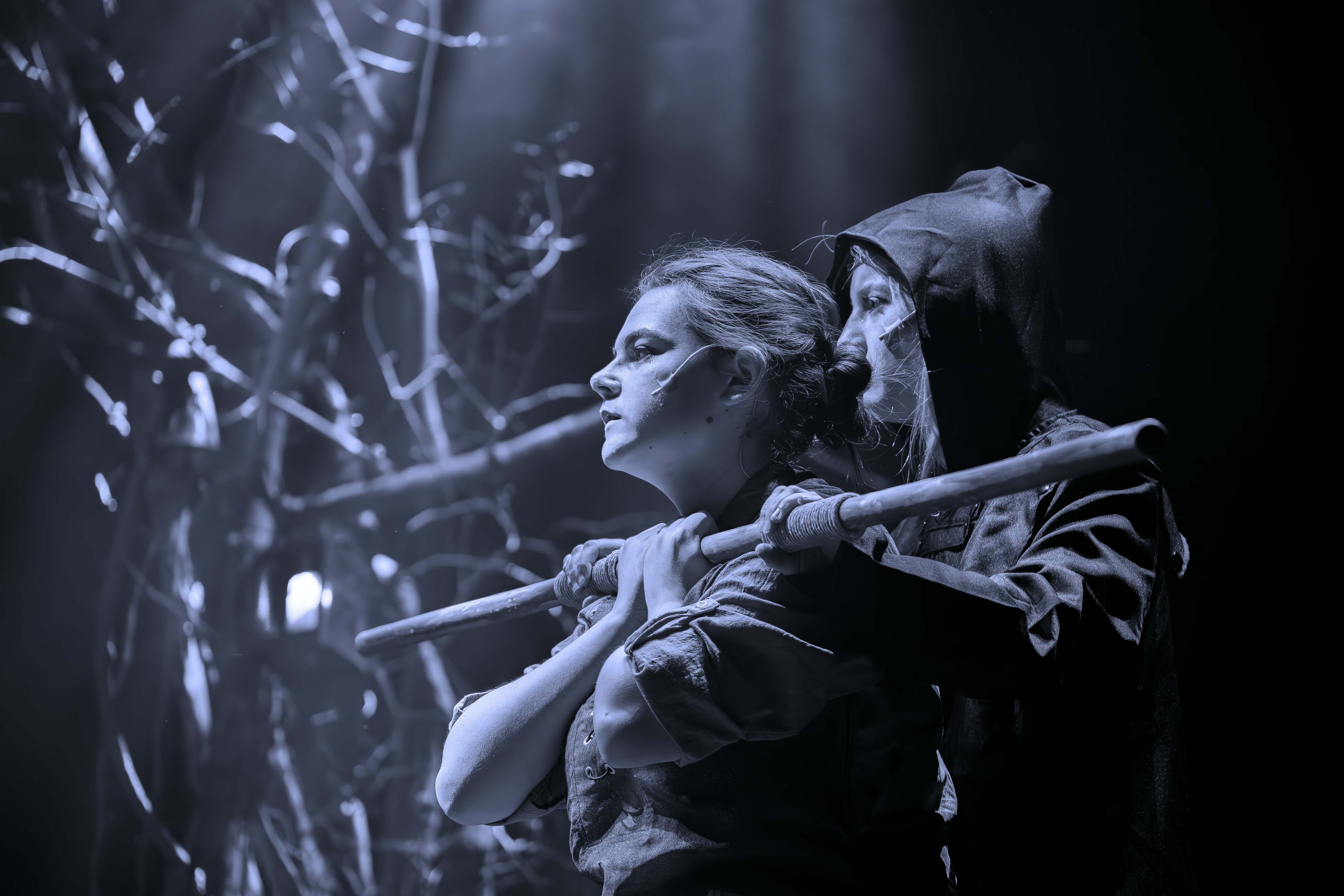
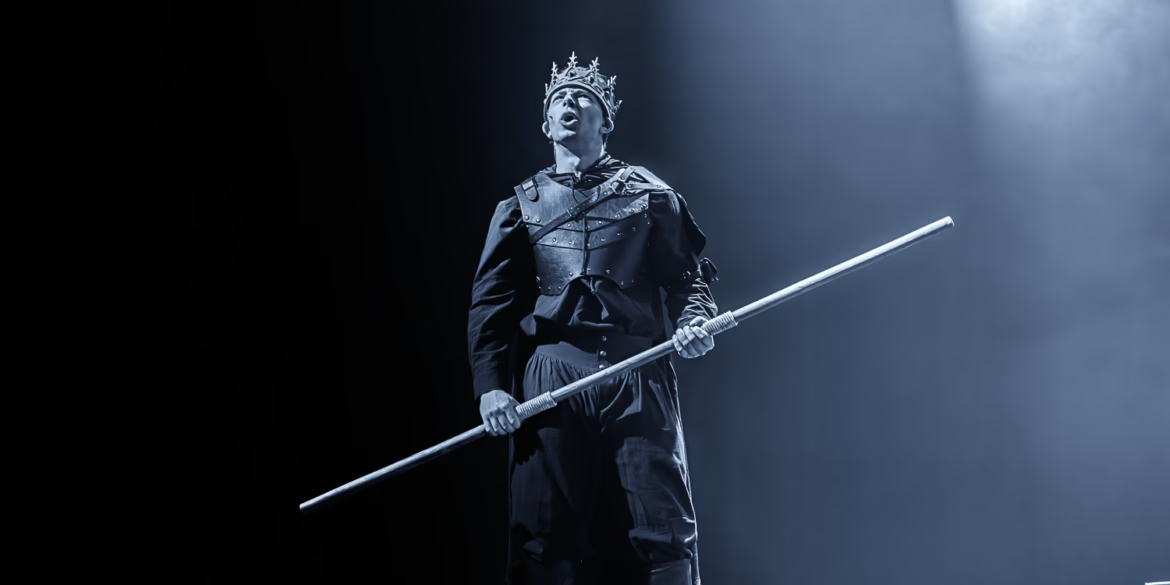
In the auditorium, however, it’s a very different story. On March 6 and 7, NCHS Theatre’s production of Macbeth brought a polished, dark and creepy experience to the stage. With a cast of 13 actors, it emphasized the supernatural horror elements of the story, and told the story in a strikingly minimal setting.
The hardest part for many of the actors? The words their characters spoke. Macbeth was written in Early Modern English, the common language of the early 1600s. Because of this, some scenes that made sense when they were first performed are now nearly unintelligible, like this exchange from Act 4, Scene 3:
MURDERER: He’s a traitor.
MACDUFF’S SON: Thou liest, thou shag-eared villain!
MURDERER: What, you egg? (stabbing Macduff’s son) Young fry of treachery!

Senior Frankie Limone, who played Lady Macbeth and is NCHS Theatre’s “President of Acting,” said “The biggest challenge with this show was definitely trying to learn Shakespeare, especially because he wrote in a way that’s so impactful, where every word in the sentence matters.” She found it useful to watch filmed performances of the play in order to learn the cadence and tone of her dialogue.
English teacher Robert Darken, who has taught Macbeth numerous times over his 23 years at NCHS, uses annotated copies of the play, with the original text printed on one side and plain-language translations on the other. According to Mr. Darken, students don’t need to understand every word of the script in order to grasp the play as a whole. “It’s a very challenging read. But I always tell my students, you can understand 50% of it,” he said. “What’s important is to find the lines that you are building your interpretation of the play on. There could be a speech that’s 20 lines long, but the really important part is a line and a half.”
His colleague Darcy Smith agrees, adding that the themes of the play are universal enough to be appreciated without prior knowledge of the story. “You just need to know: it’s dark, there’s tension, there’s conflict between characters. There’s insecurity. These ideas are relevant in 2026, so I don’t think students need to have read the play to see it performed.”
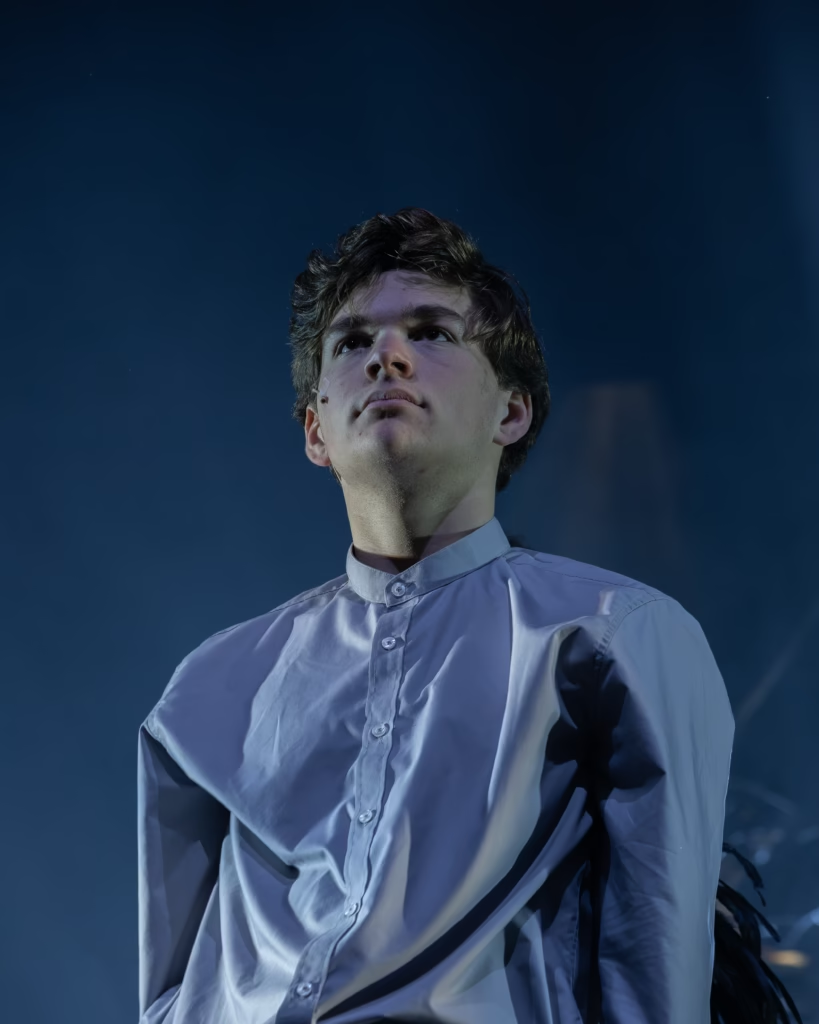
Just like students in English class, the cast put a lot of time and effort into understanding their characters, with several describing their roles as the most difficult they’ve had at NCHS. While the basic story arc of Macbeth (Lord Macbeth believes he’s destined to be king, so he kills for the throne, only to fall to Macduff) is relatively simple, it took a lot of work to fully grasp the play.
Senior Andrew Meli, who starred as Macbeth, said “It’s definitely been my most complex role in terms of character work, because we do a lot of musical comedies where you still have to develop a character, but that’s more surface level and about the entertainment value. With Macbeth, you need to figure out a lot more than what’s given to you in the text.”
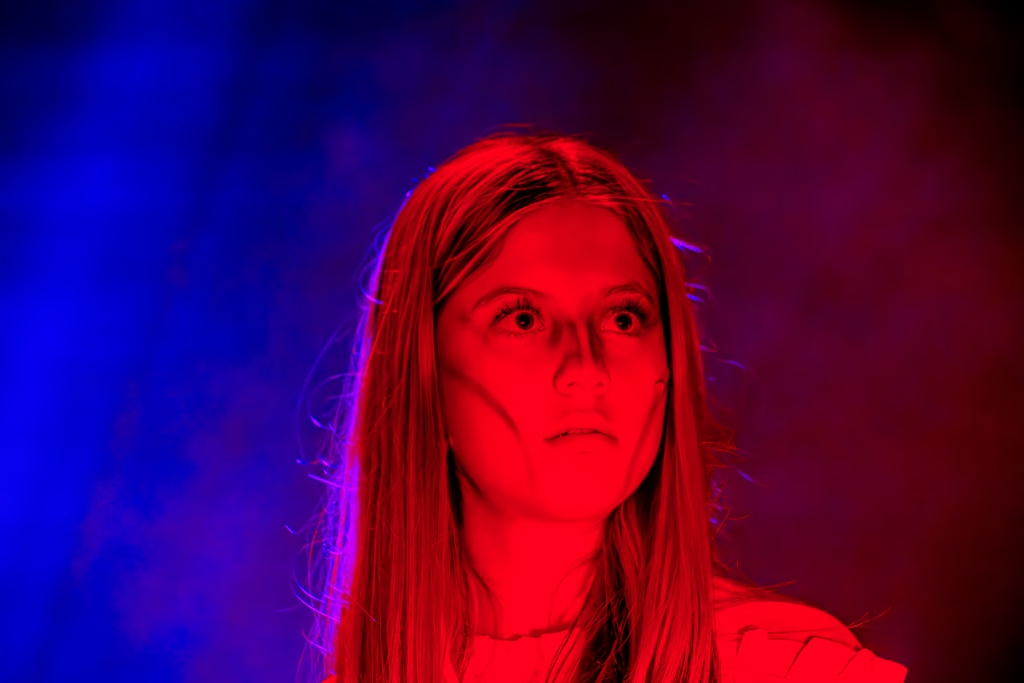
To get into character as Macbeth, Andrew focused on analyzing his motivations and emotion throughout the play. “I think the most logical way to explain what happens to him is that he’s someone who was never really meant to be a leader,” he said. “He’s someone who was comfortable as a soldier and who found a lot of purpose in his devotion to the king. Encountering the witches makes him question that belief, and they lead him to betray what he has known. That’s what really pushes him over the edge, because he’s without someone to take orders from. He becomes erratic, and he becomes a violent person because that’s what he was trained to do.”
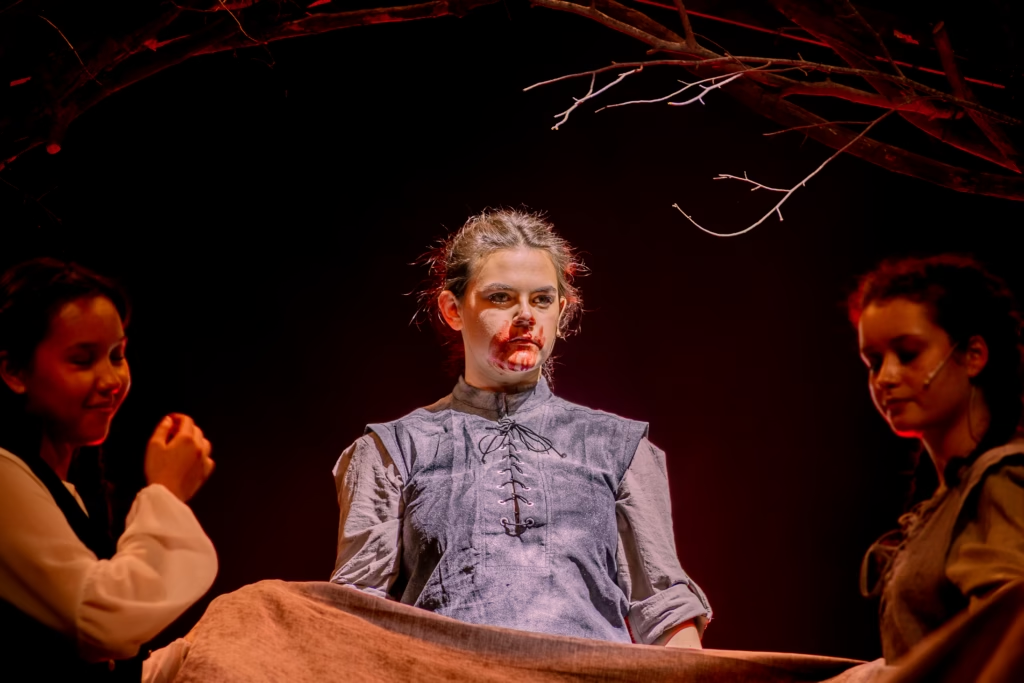
While Andrew took a somewhat traditional approach to his role, Frankie disliked the standard characterization of Lady Macbeth. “We’re taught in school that Lady Macbeth is very cynical,” she said. “She’s very manipulative, which I guess is true to a certain extent, but that’s definitely not the way I play her. She’s a really powerful and strong-willed woman who knows what she wants, but isn’t afraid to lean on the people she loves. Every time I’m about to enter, I think, where am I? What have I just been doing? What am I feeling? Where in her journey am I?”
To prepare for their roles, both Andrew and Frankie viewed several different film adaptations of the play. Respectively, they singled out The Tragedy of Macbeth (2021) and Lady Macbeth (2016) as useful reference points.
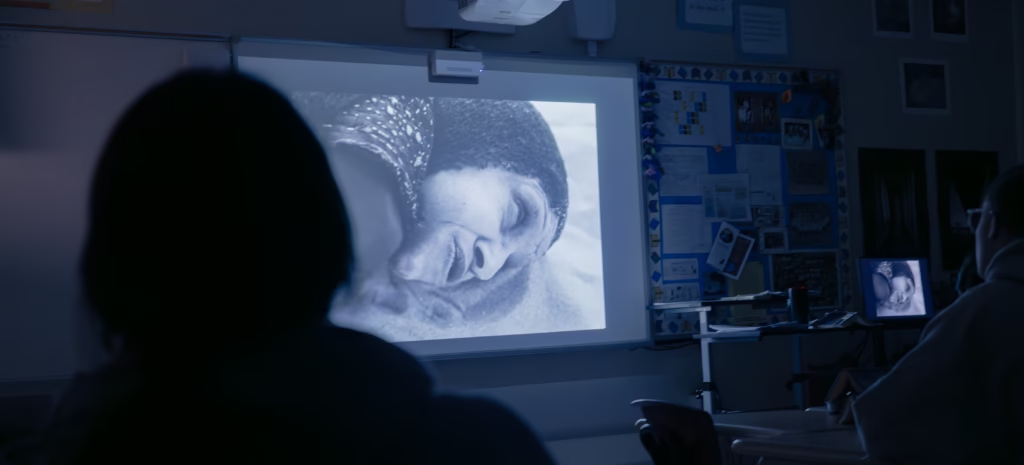
The Tragedy of Macbeth, starring Denzel Washington as the titular character, is shown in class by some English teachers, along with several other recorded productions of the play. Mr. Darken prefers a “proshot” (professionally filmed stage production) by the Folger Shakespeare Library, which he thinks is effective at changing the story to be more accessible. “The way Folger did it on video, they updated some of the language and did a great job bringing out the humor,” he said. “If you just use Shakespeare’s language, it’s such a dud. It goes over like a lead balloon. If you update the language a little bit, it’s very funny. Macbeth is a living work, and you don’t need to treat it like the Bible.”
For NCHS Theatre’s production, co-directors Ella Raymont and Christian Libonati took significant creative liberties with Macbeth’s script, cutting about an hour to bring the runtime down to a brisk 90 minutes, with a short intermission in the middle.
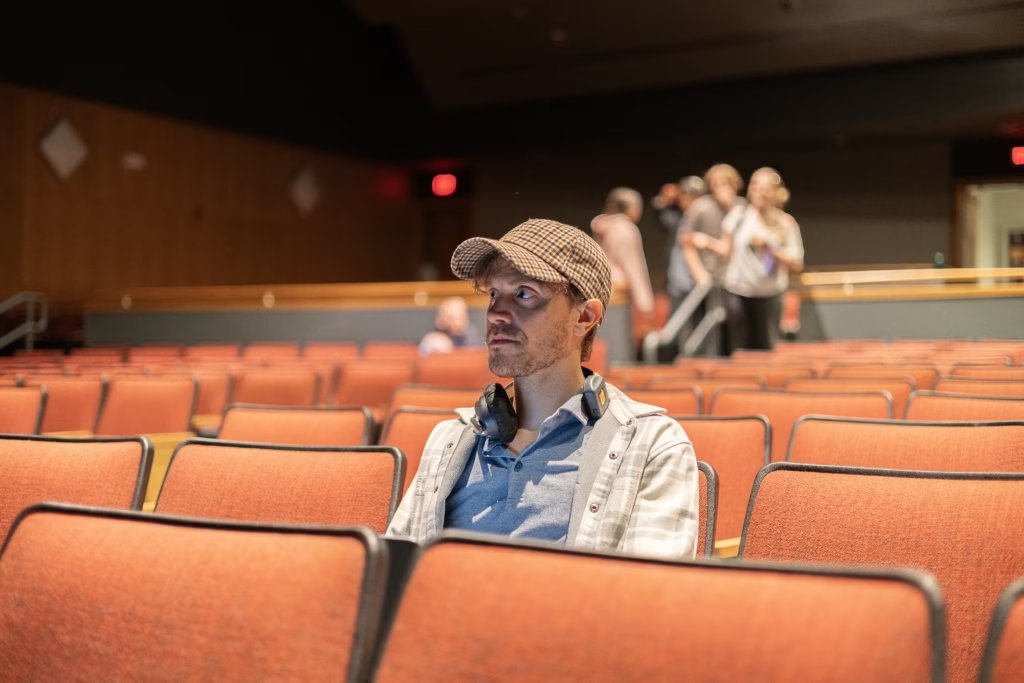
While deciding what to cut from the script, a priority for the directors was highlighting the supernatural elements of the story. “We were really inspired by the three witches [Seniors Maddy Peterson, Serena Peterson and Serra Savasoglu],” Libonati said. “We wanted to pay respect to their story, and really integrate them. It’s all driven by Hecate [Senior Evie Morales], who’s actually cut out of most productions.”
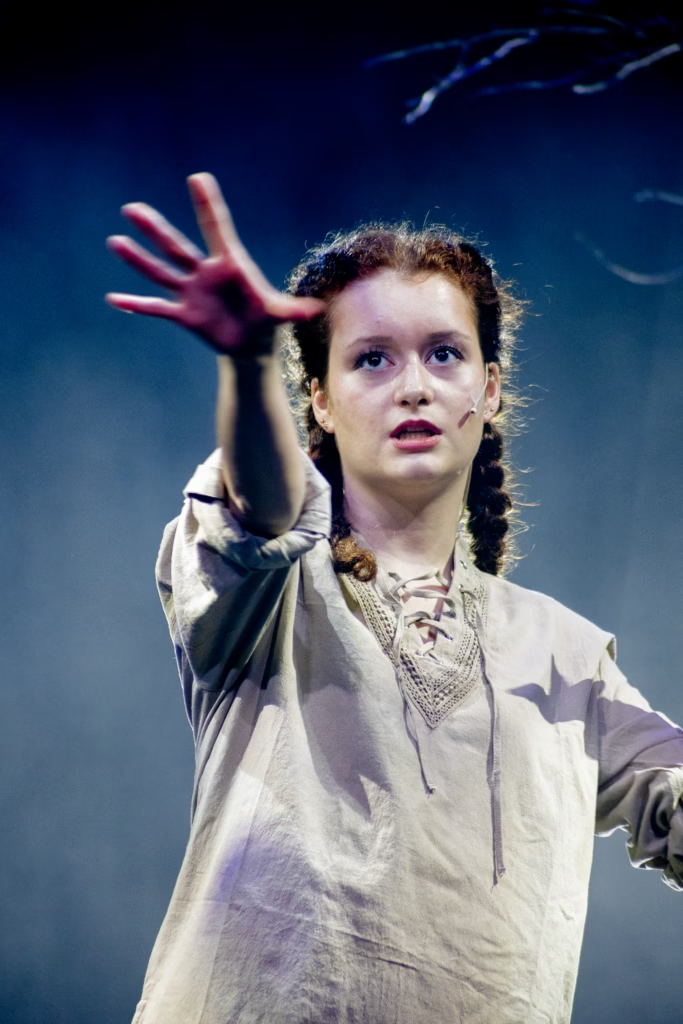
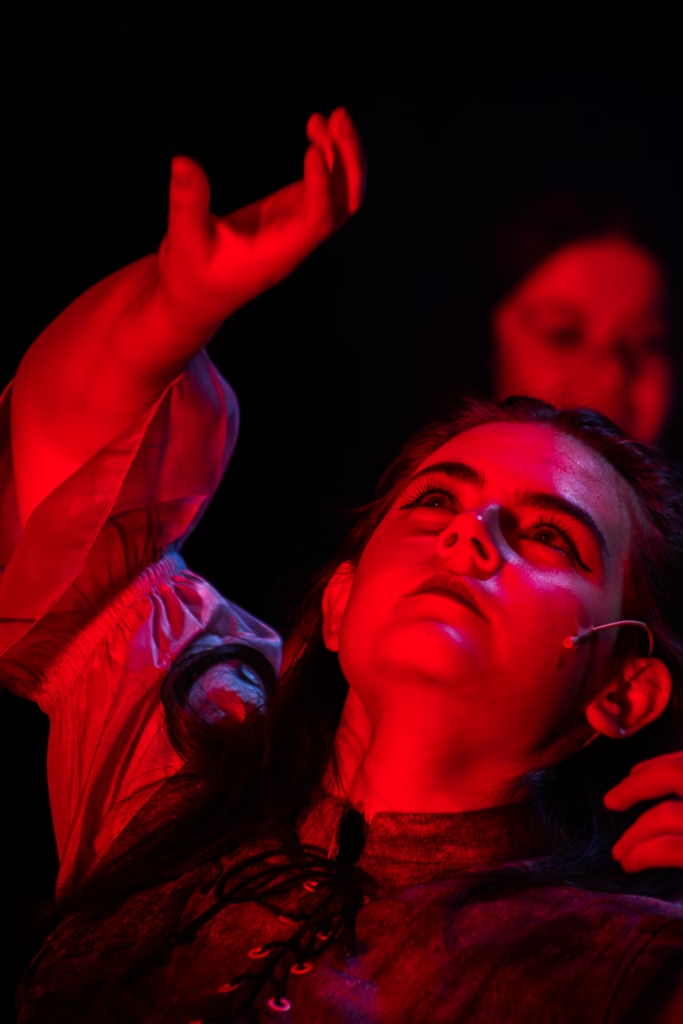
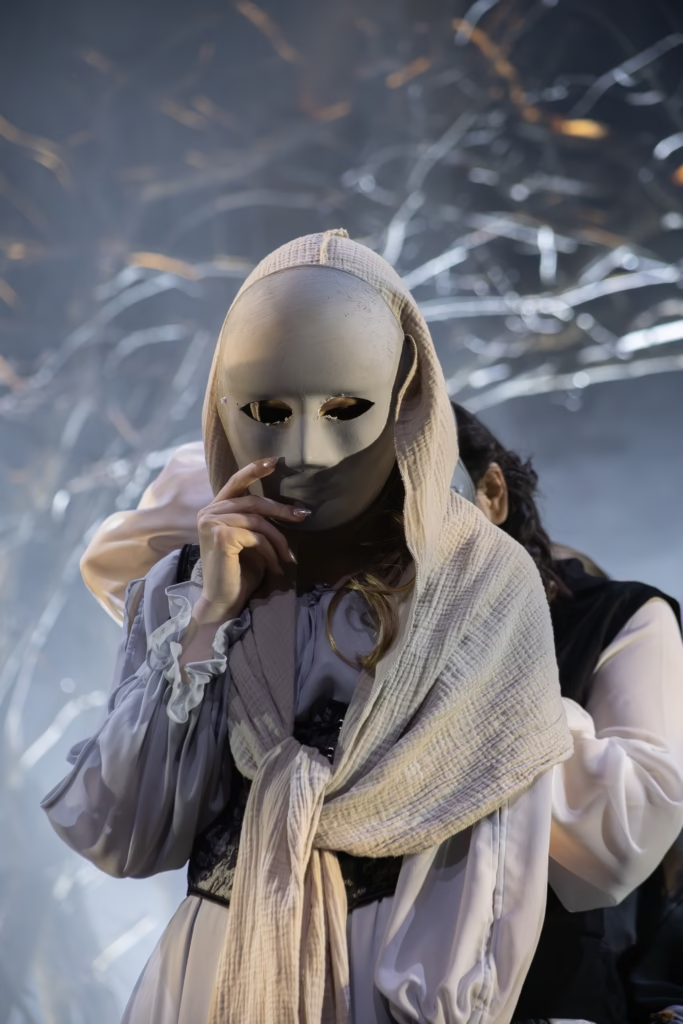
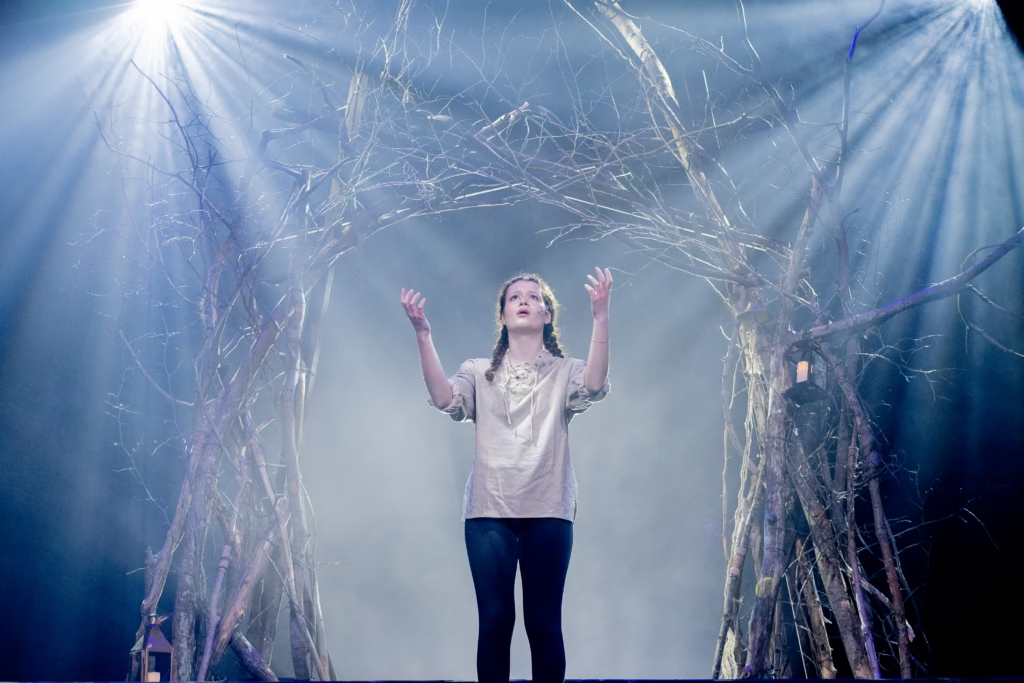
Instead of the large set pieces and vibrant colors normally seen onstage at NCHS, the production used a single, static set and muted color palette to emphasize the story and performances. According to Libonati, “We tried to create a space for Hecate to control, a ceremonial space where we could tell our story.”
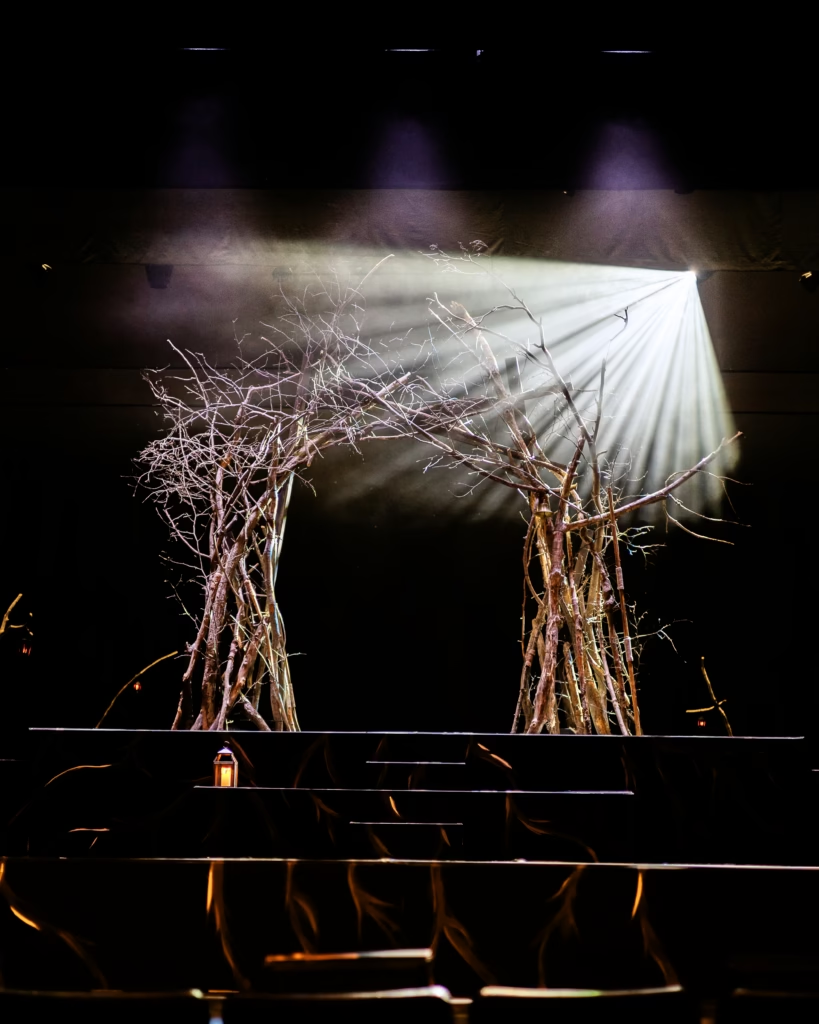
That space was a bare stage decorated only with an arch made of tree branches, and there were no set changes during the play, instead using a tablecloth to represent a banquet hall’s table and a circle formed by the cast members for the witches’ cauldron. The extremely dark tone of the latter acts was juxtaposed with lighter elements during the first part of the show, including a dance performed by the leads shortly before Macbeth’s murder of King Duncan.
Following the pivotal killing, the witches take center stage, with several scenes that are typically cut from the show brought to the forefront instead of scenes focusing on politics, which Raymont said “drag on and on.”
While it didn’t necessarily become the play’s focus until the second act, the supernatural played into the preshow, with actors walking up and down the aisle offering members of the audience “offerings” (branches) to place by the stage in hopes of warding off the “Curse of the Scottish Play,” a common belief in theatre that Macbeth is cursed and productions will inevitably be besieged by misfortune.
Though it might be easy to dismiss as superstition, the cast and crew maintained that the curse was real, and even that it affected the production. “The Curse of The Scottish Play, whether you believe it or not, has affected us,” said Raymont. “Due to many weather and scheduling conflicts, we didn’t have the full cast in the same room until our first dress rehearsal.” Despite that, she said, “This talented cast continued to push towards telling a clear and powerful story.”
Performances of Macbeth in English classes are undoubtedly less polished, but they still offer a valuable learning experience for students. Ms. Smith, whose students choose between four Shakespeare plays (Macbeth, Othello, The Merchant of Venice, and Twelfth Night) to perform, said “My students need to decide, as performers, how they want to put this role out into the world. What is your character’s motivation for every single line?”
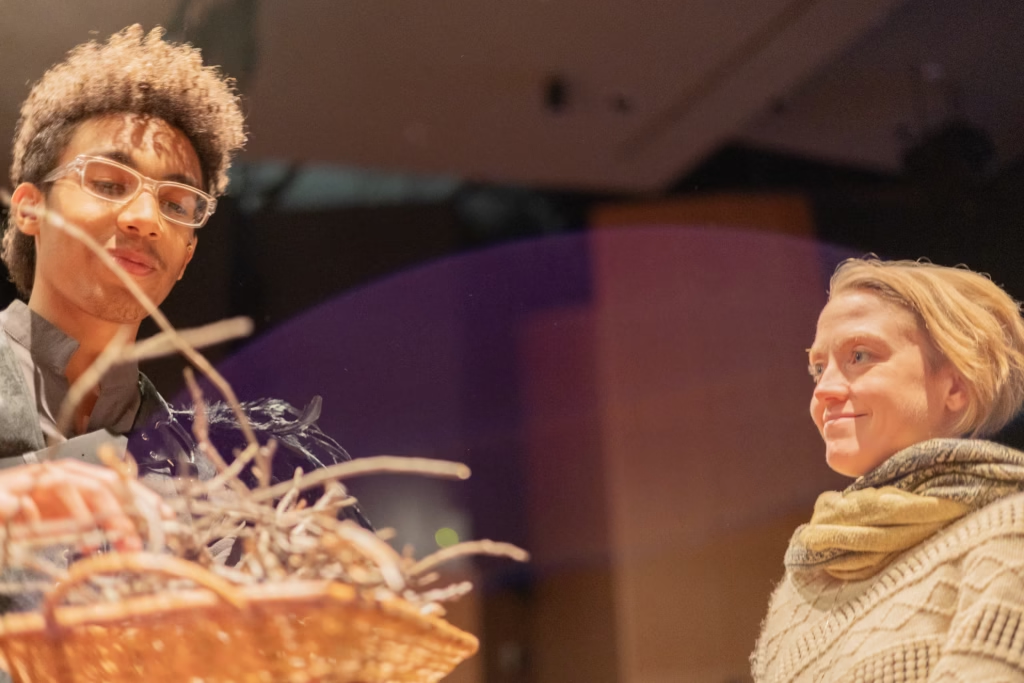
Performance activities differ, with some classes having students perform live and some making short movies, but they’re consistently opportunities for creative expression and unexpected fun. Melanie McMurry, a sophomore who led the play’s Scenic Arts department, said “My teacher [Evan Remley] has us do ‘Shakespeare shakedowns’ where we have to interpret the language into a modern sentence, which helps keep the class engaged, and we performed scenes in class, where it was everyone’s different interpretations. My group even managed to convince Mr. Remley to join us as the third witch, which definitely added an extra element of fun.”
While everyone in the cast and crew seemed to have some differing perspectives and opinions about Macbeth, they could all agree on one thing: seeing the play onstage is the best way to experience the story. Asked why students should see the show, Andrew said, “Reading Shakespeare really doesn’t do it justice. You’re really not getting what makes it impactful. This is how it was meant to be taken in.”
Macbeth in Color
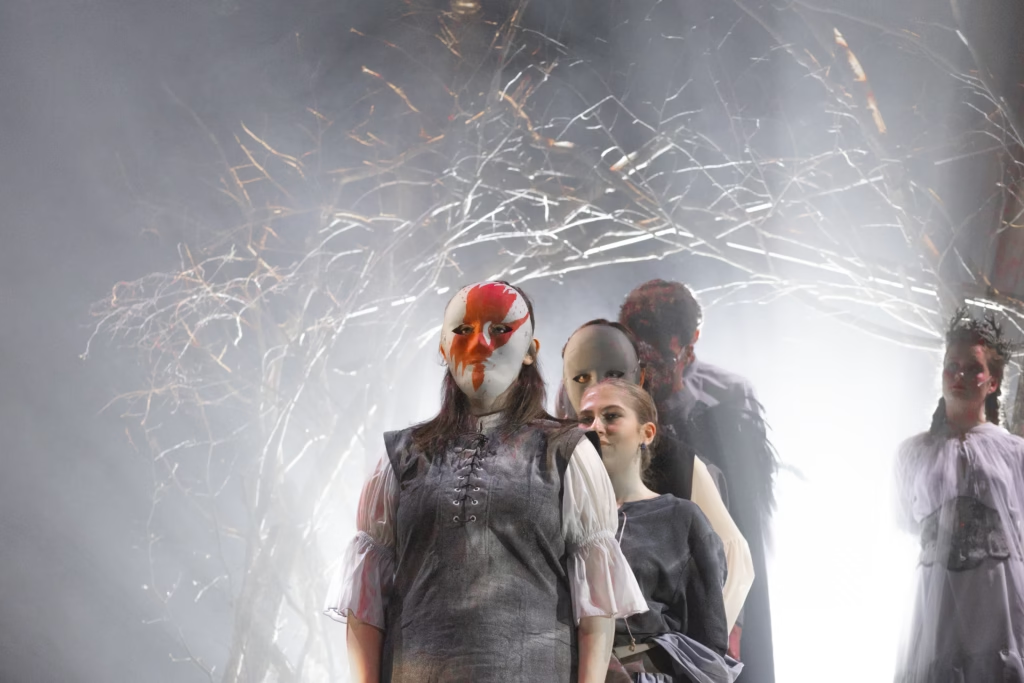
Banquo’s descendants appear as ghosts 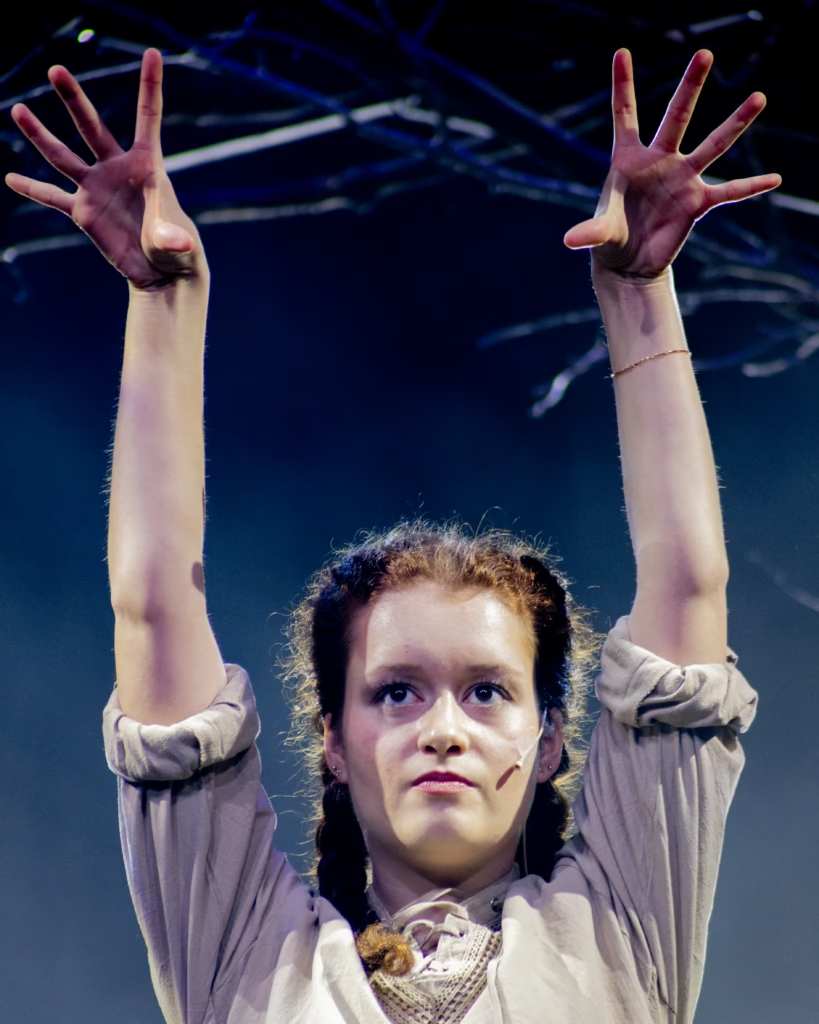
Evie Morales as Hecate 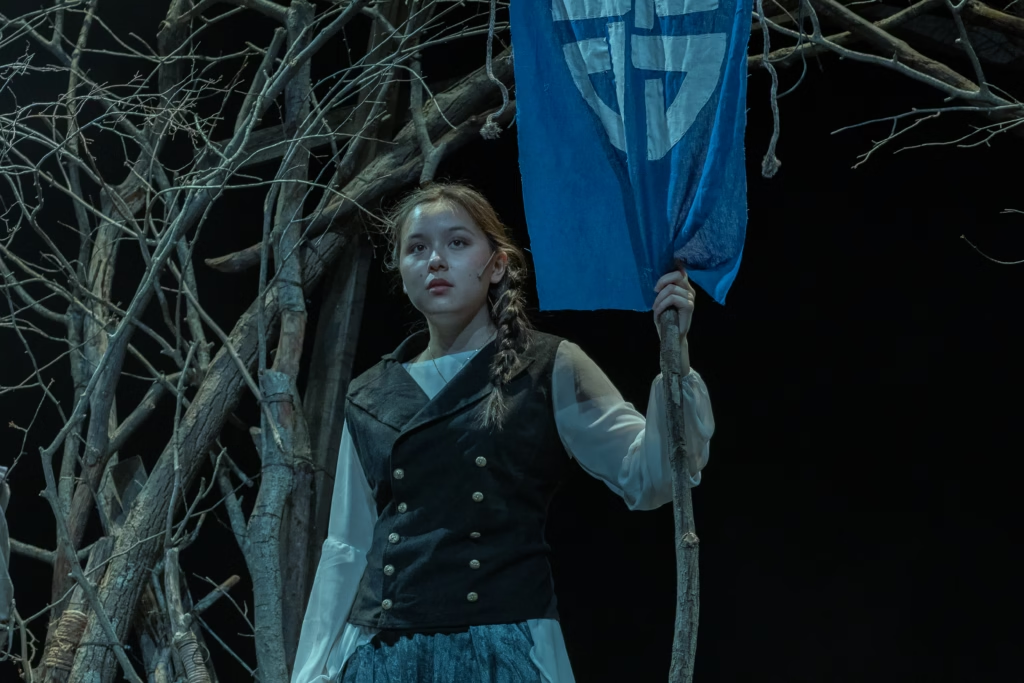
Emily Telesco as Lennox 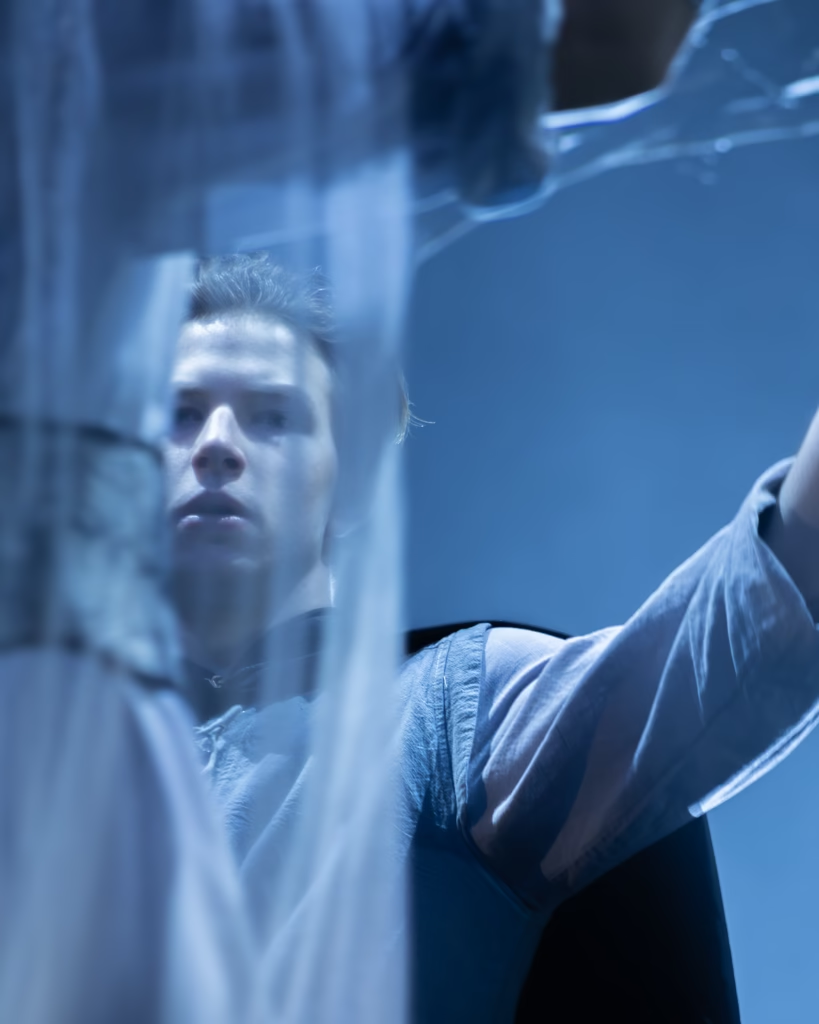
Andrew Meli as Macbeth 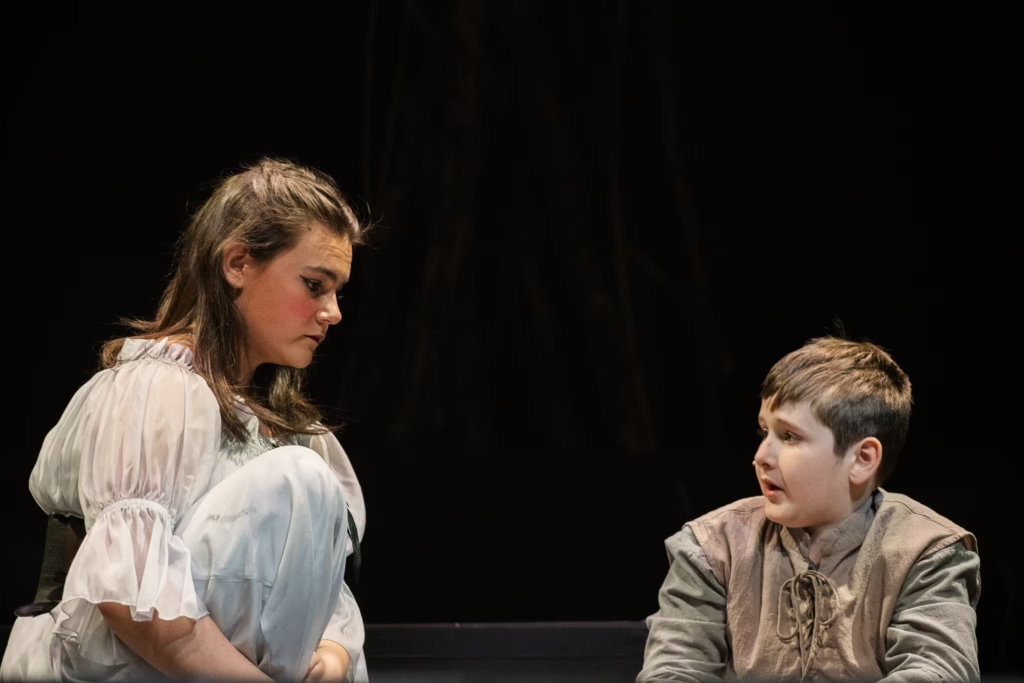
Tessa Madden (left) as Lady Macduff, with East Elementary fourth grader Miles Langrick as Macduff’s son 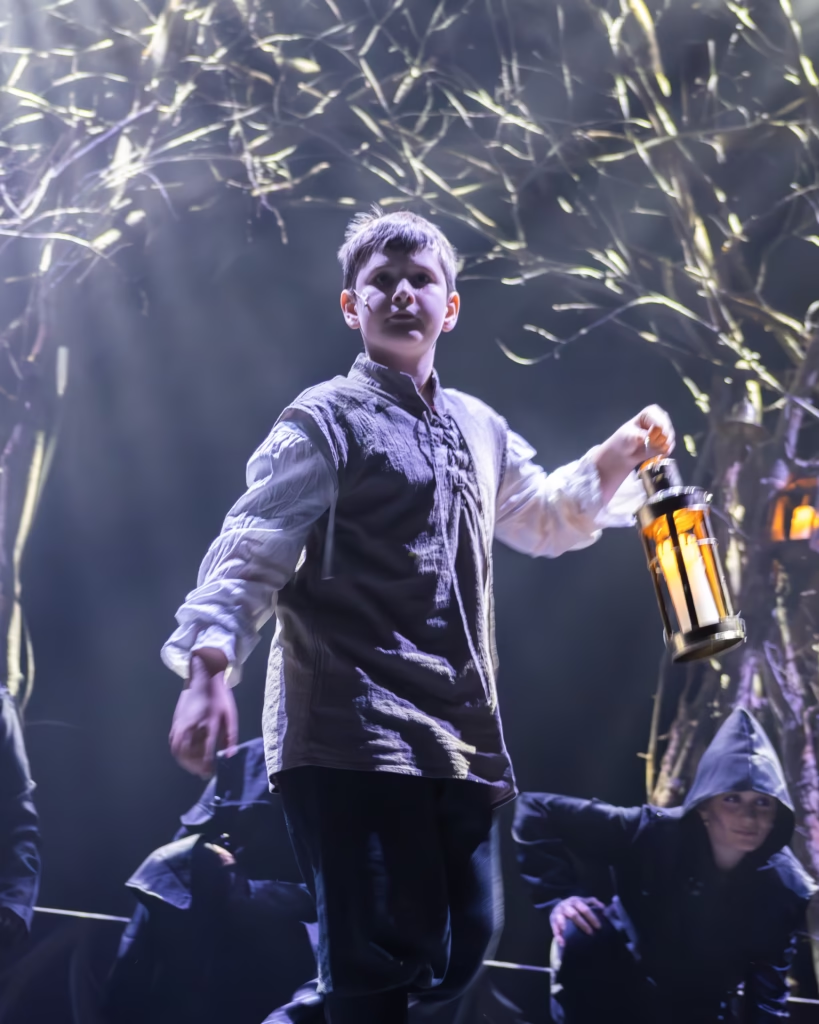
East Elementary fourth grader Miles Langrick as Fleance 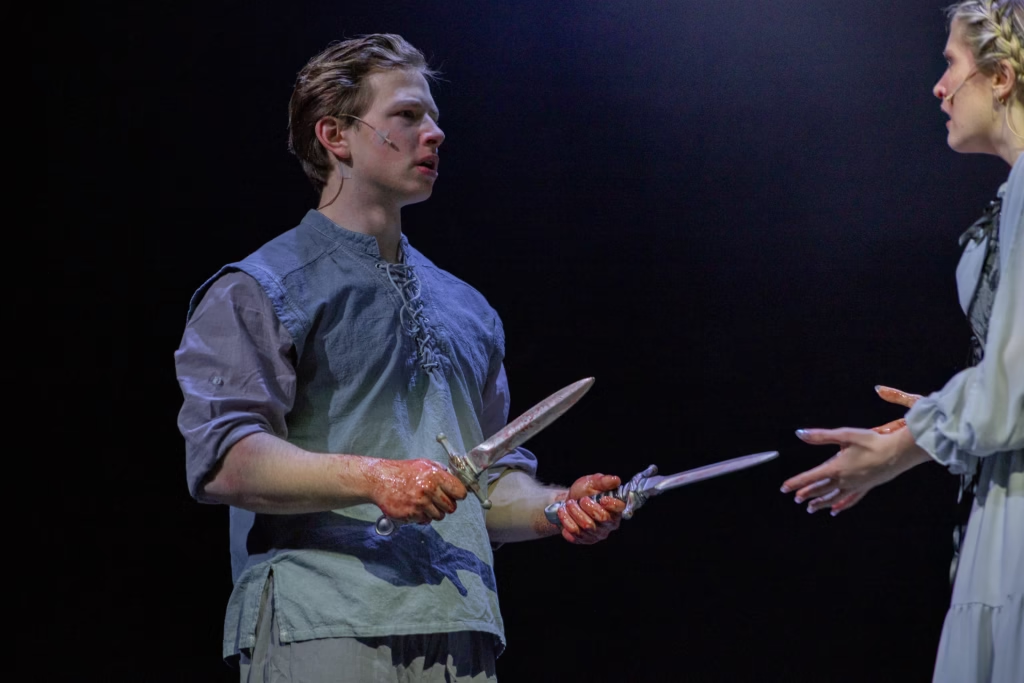
Macbeth (Andrew Meli) gives the daggers he murdered Duncan with to Lady Macbeth (Frankie Limone) 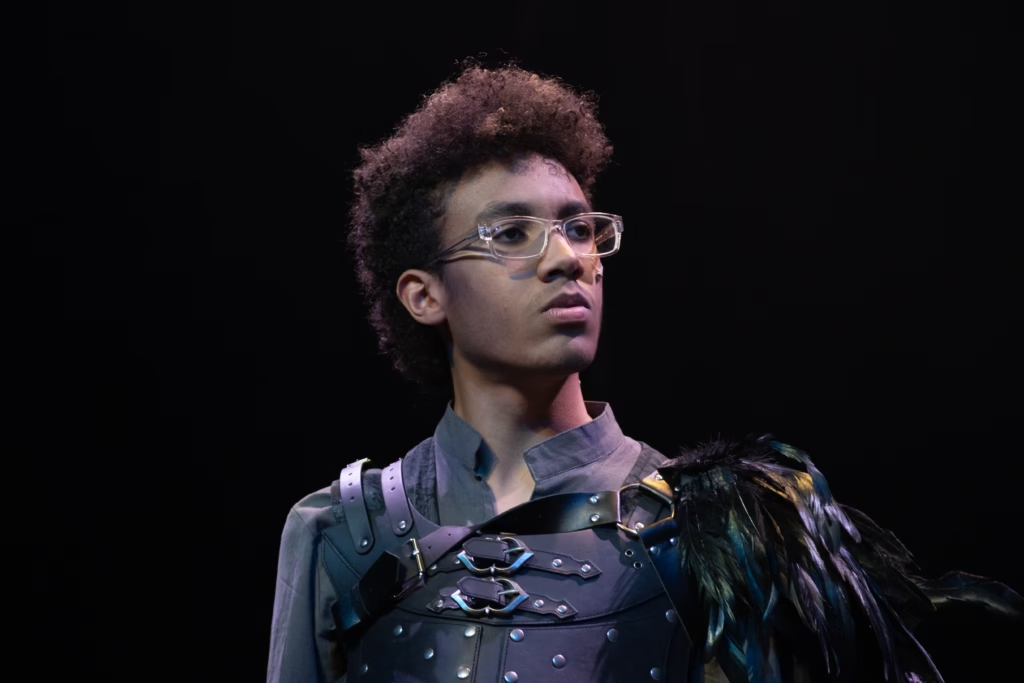
Henyerson Tolentino as Macduff