
Valentina Fuentes, Story Editor
Wealth has long operated as a form of social currency. The envy of many, wealth has evolved into something that can now be performed, and even exchanged, to achieve a certain status. This has mostly been visible in the fashion industry. From Gucci bags to Balenciaga sneakers, logos and particular branding have been used to effortlessly signal prestige, and adjacency to the world of elites. This display of wealth has shifted over to many industries, and, most recently, into an unexpected space: food.
This shift is most visible in Erewhon, the Los Angeles based grocery store chain that is actively rebranding the food world from basic human necessities to luxury. Its products, though seemingly identical to regular grocery store items, are sold at radical prices, with a regular 20 oz smoothie selling for 22$, a canned chicken soup selling at $25, and even a simple 8 oz bag of chocolate covered almonds, at a price tag of $20.
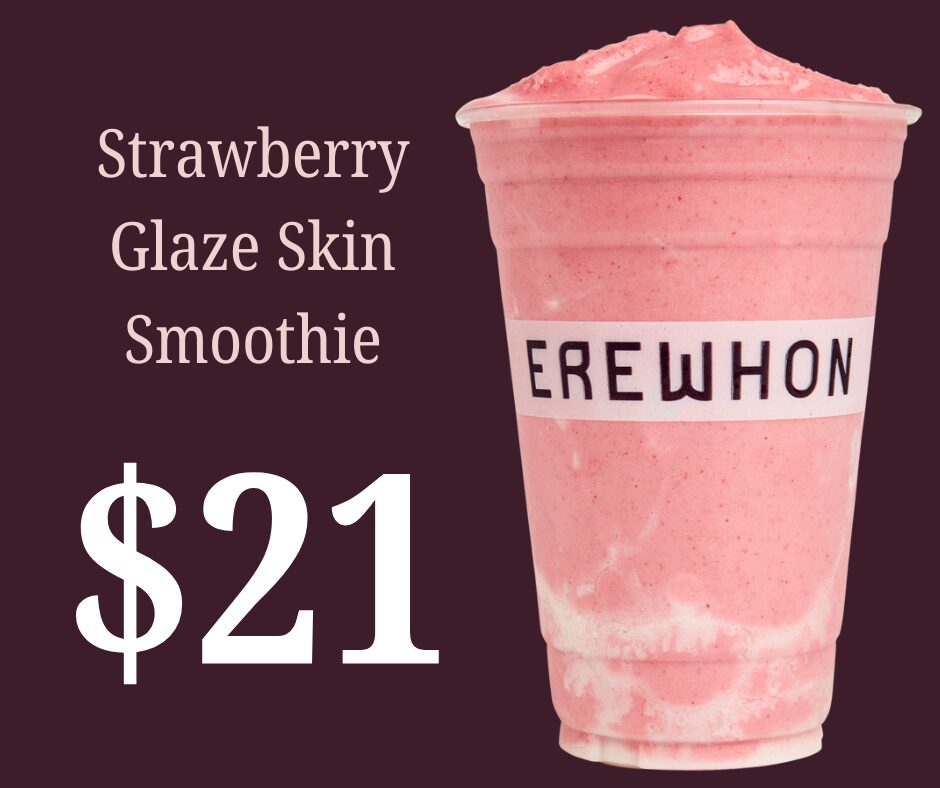
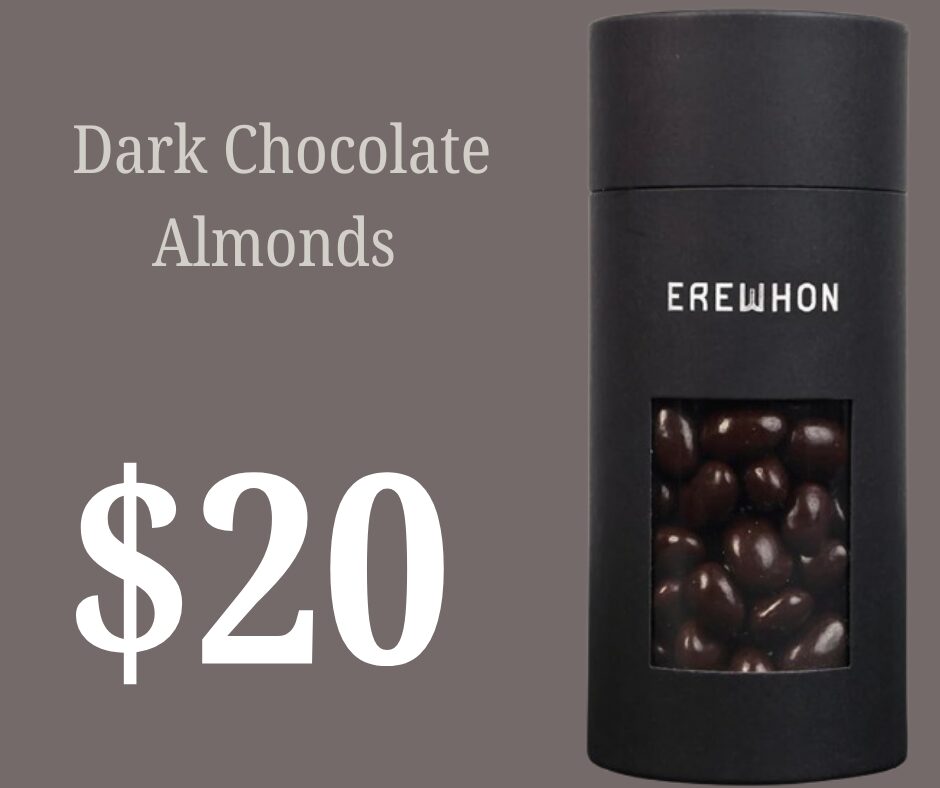
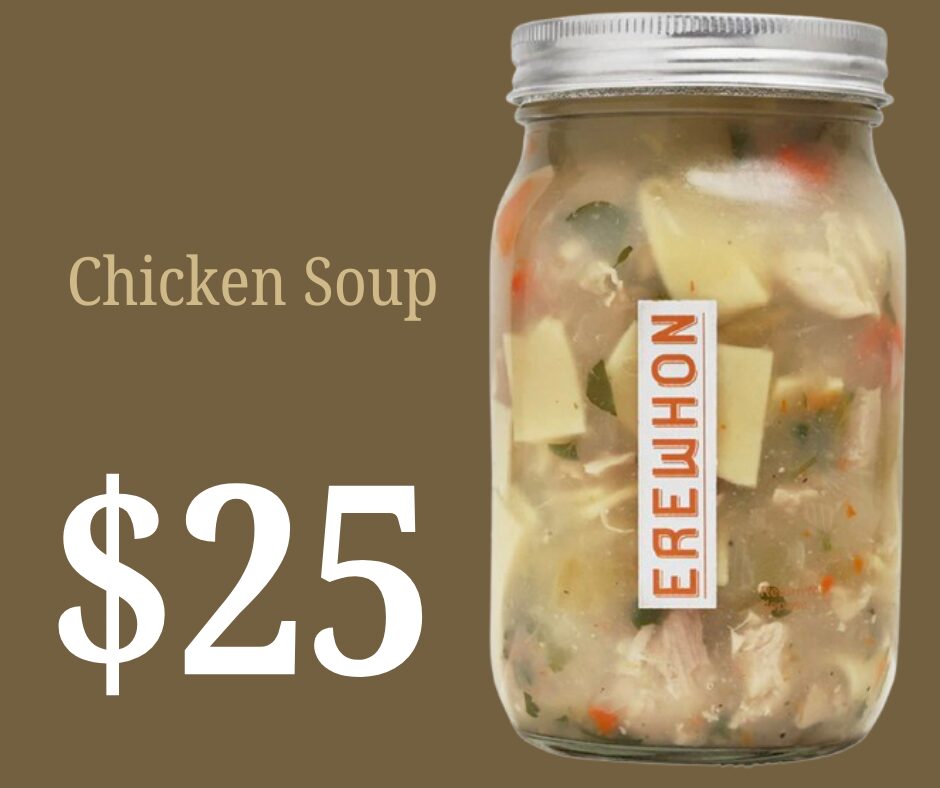
This striking pricing strategy may scare some, but the truth is that Erewhon is doing incredibly well. According to Forbes, Erewhon hit $750 million in revenue in 2023, even though at the time they were operating in less than a dozen locations, all concentrated in California. This phenomenal success, especially given their exorbitant prices, is derived from their ability to sell more than just the food, but a path to fit into that wealthy image. An experience. As Vogue Business’ writer Isabella Truman says, “Erewhon is more than just a grocery store — it’s a status symbol.”
I was able to see the real impact of this culture firsthand when I took a trip to NYC with my family to try a restaurant in Chinatown. Walking down Canal Street, an area known for its heaps of counterfeit goods on the street, I noticed a woman stopping by one of the vendors’ stands and buying one. This struck me, not just because of the transaction, but because of what she was holding on her other hand: an Erewhon strawberry smoothie.
The bag, obviously fake, was a clear attempt to imitate wealth at a lower cost by buying a knockoff. But, the smoothie on the other hand, was real, and quite expensive. Both items were without a doubt an attempt to signal status. But, what truly differed the bag from the smoothie was the medium. Different from bags or clothes, food cannot be easily counterfeited the same way. So, to participate in this new world of luxury culture, people must really buy in instead of taking the cheaper low road. This economically limitative environment is where Erewhon thrives.
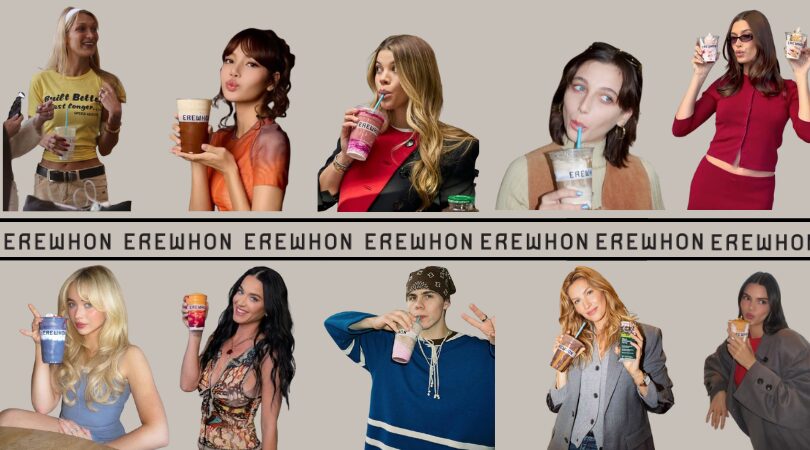
This success, though, is not accidental. Erewhon uses advertisement and marketing so calculated it’s difficult to even recognize it first hand. They mostly rely on exclusivity, but one of their most effective strategies is their creation of celebrity branded smoothies. This line of beverages curated by celebrities themselves are sold for ridiculous prices, and are surprisingly successful in the revenue they bring in.
From American socialite Hailey Bieber’s strawberry glaze skin smoothie that sells for $21.00 to singer Sabrina Carpenter’s Short N Sweet smoothie selling for $23.00, Erewhon holds dozens of celebrity smoothie inventions within their store.
Attaching celebrity names to some of their food items might be masterful, but it isn’t their only genius technique. Through their relations to celebrities and extreme pricing, Erewhon was able to filter their customer base to purely people who can pay. In doing this, they were able to brand their grocery store as select, which consequentially incentives people who cannot afford to pay to do so anyways.
This brilliant and repetitive cycle, that is present in almost all luxury brands, is what truly made Erewhon exclusive, and a space where celebrities are spotted on “casual” grocery runs buying $17 for a dozen eggs rather than the 2025 national average of $4.95 per dozen reported by Trading Economics. Through this high-end clientele, Erewhon opens a path for regular customers to imitate elite lifestyles by the swipe of a card.
Erewhon has also continued expanding this technique of being deemed a luxurious space by expanding into socialite clubs. In 2025, after years of demand, Erewhon finally announced their expansion from LA to NYC. But, instead of acting as a regular store, Erewhon will be available exclusively inside the Kith Ivy private club.
According to reports from New York CURBED publication, “it’ll cost $36,000 in initiation fees plus an annual payment of $7,000” to get access to the club, plus the additional expenses of Erewhon groceries. This move onto private spaces emphasizes their luxurious and exclusive nature, stabilizes the retention of their clientele and respective revenue.
Erewhon was one of the firsts to transform food into social currency, and one of the few that recognized that human desire for exclusivity could be monetized. As a result, their company’s image is cemented as not only deluxe groceries, but as an exclusive but desired experience that will cause many to continue splurging for time to come.