By Avery Jakovic, Gabrielle Savelli, and Milo Zinser-Trudel, Reporters
The 98th annual Academy Awards are on March 15th, with some of 2025’s biggest movies nominated, from blockbusters like Avatar: Fire and Ash, F1 and Sinners to smaller independent films like Train Dreams, Sentimental Value, and Bugonia. We all spent time watching the nominated films, and had some very spirited discussions (yes, spirited discussion is a polite way of saying argument) about which ones should win what. These are our picks and predictions for who will leave the ceremony victorious, category by category.
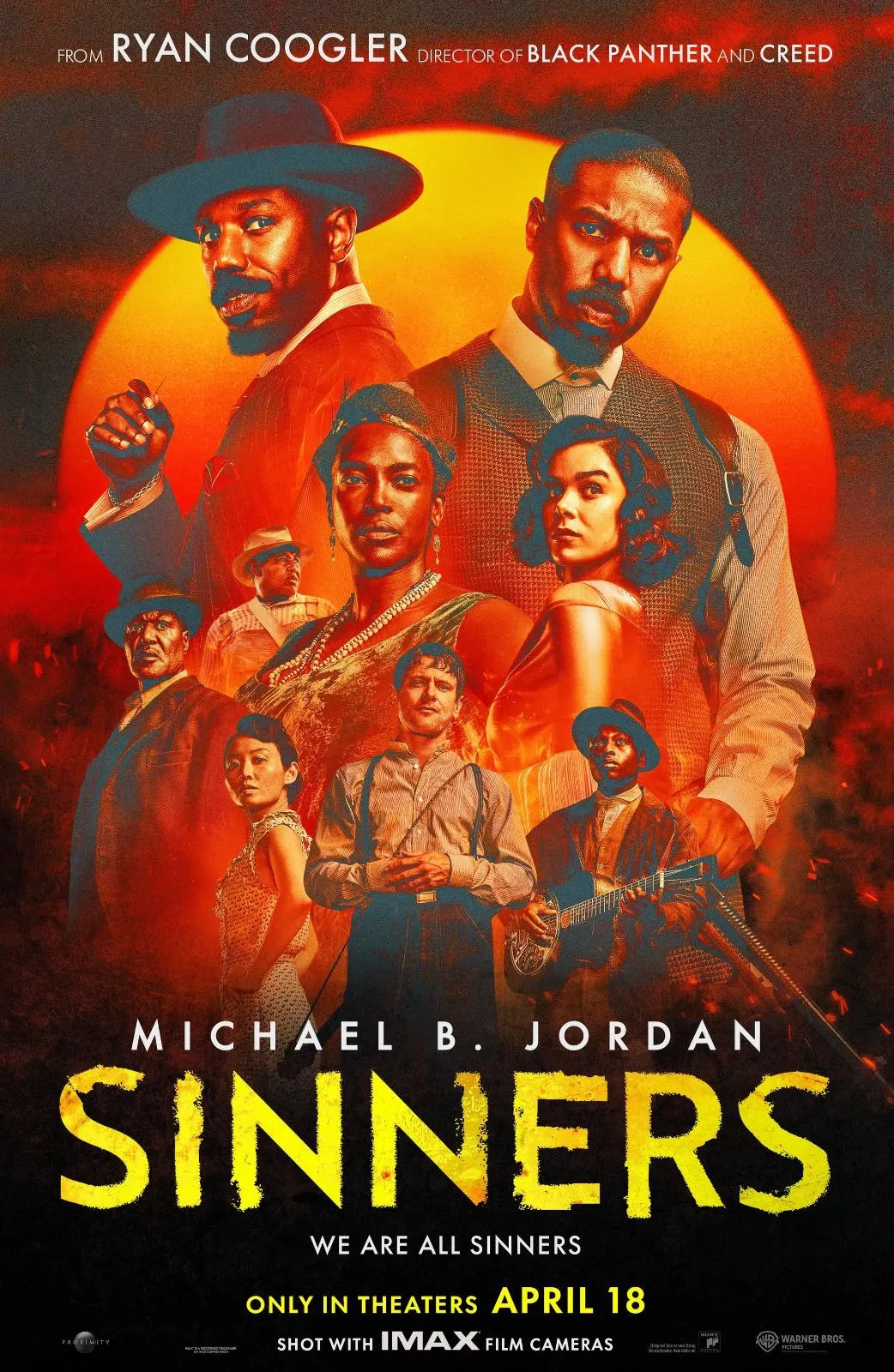
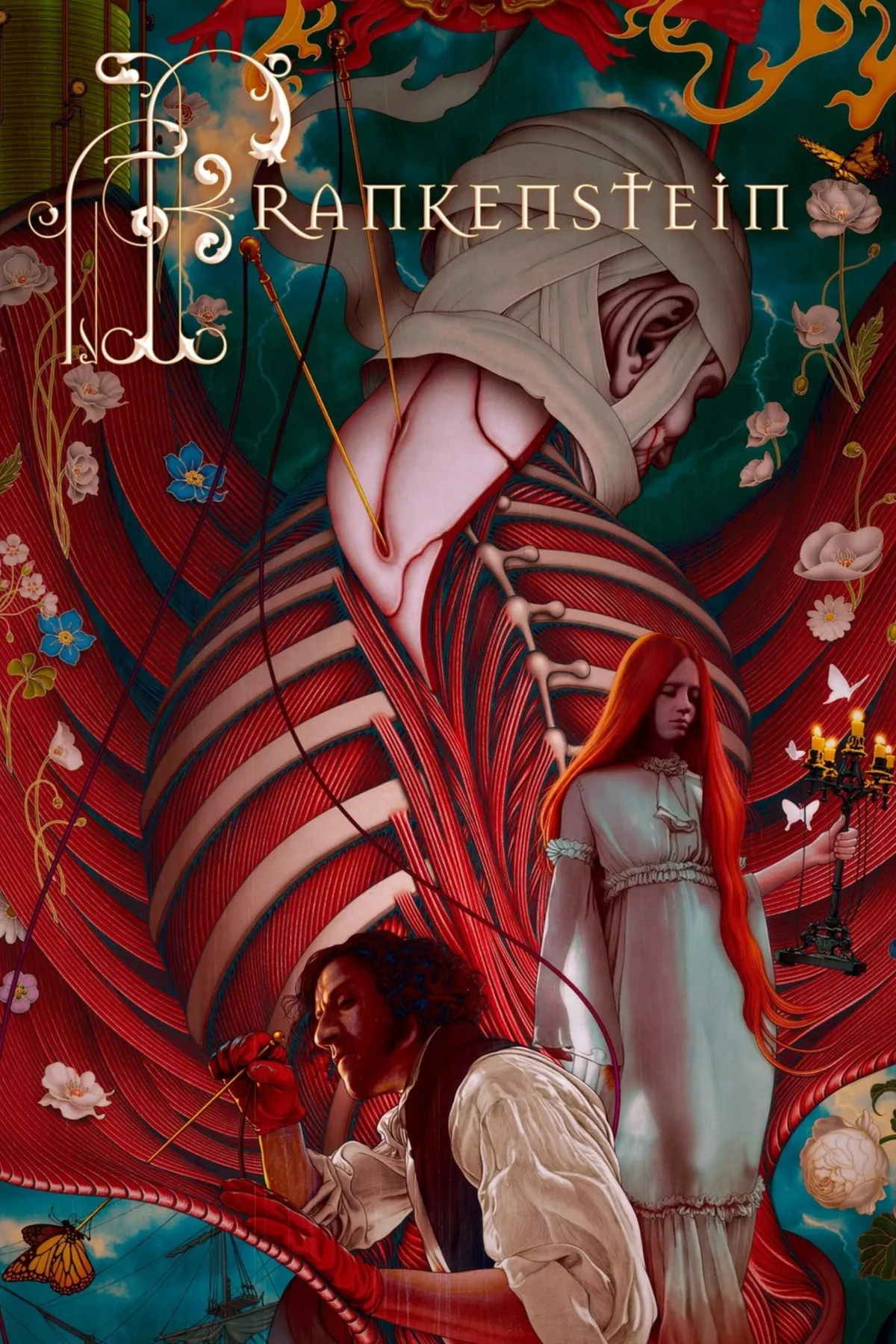
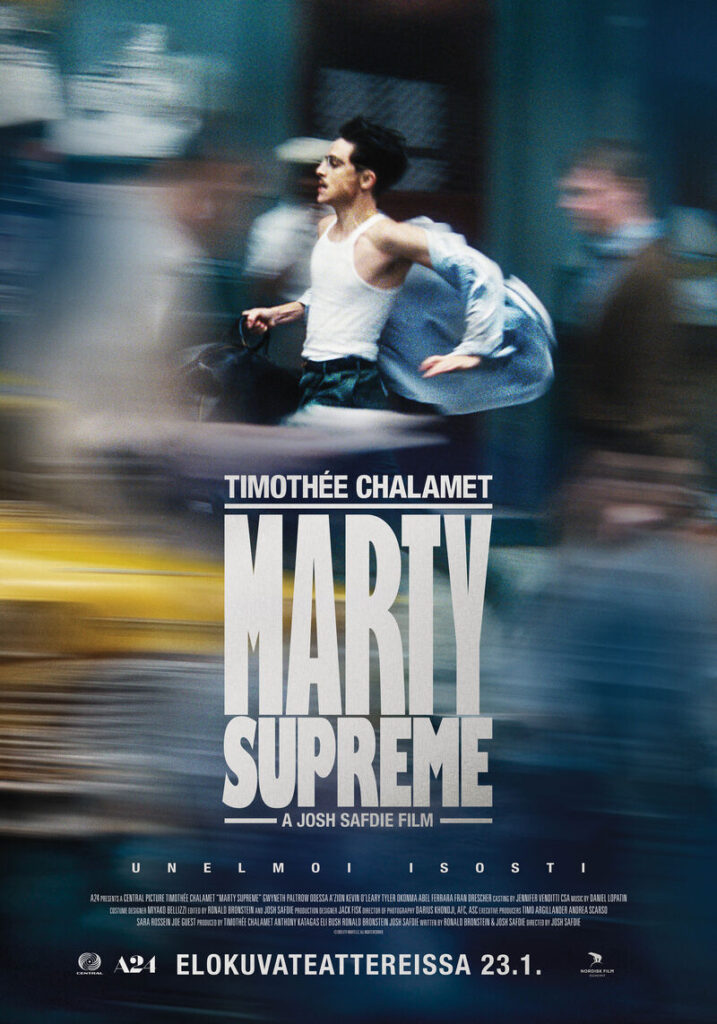
Best Cinematography
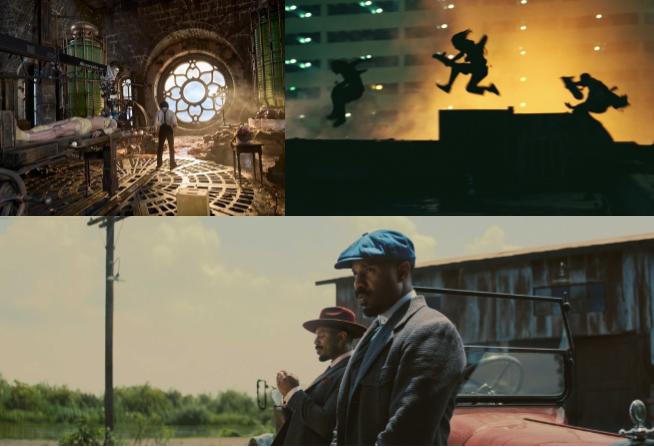
Nominees:
- Frankenstein (Dan Laustsen) [top left]
- Marty Supreme (Darius Khondji)
- One Battle After Another (Michael Bauman) [top right]
- Sinners (Autumn Durald Arkapaw) [bottom]
- Train Dreams (Adolpho Veloso)
Images: Netflix/Warner Bros.
Avery: Sinners or Frankenstein
I’d be happy if either Sinners or Frankenstein won Best Cinematography. Both stood out visually for vastly different reasons. Sinners used lighting, color, and movement to enhance symbolism and emotional tone, while Frankenstein relied on striking compositions to create atmosphere. In both films, the cinematography didn’t just impress me visually; it actively supported the story and themes. Though if I HAD to choose, I think I’d ultimately go with Sinners.
Milo: One Battle After Another
Judging by some recent Best Cinematography winners, one of the things the Academy likes most is when movies make unusual choices. One unusual choice that’s been particularly prominent recently is the use of film stock as opposed to more common digital cameras. This year, three of the five nominees—OBAA, Sinners, and Marty Supreme—were shot on film despite the overwhelming popularity of digital cameras (only one of 2025’s 25 highest-grossing movies, Jurassic World: Rebirth, was shot on film). The last two winners of this award also used film, with Oppenheimer (2023) shooting on the notably insane IMAX camera and much of The Brutalist (2024) being shot with 1950s VistaVision cameras, which sound downright terrible to use.
Paul Thomas Anderson’s One Battle After Another was also shot on VistaVision, which uses traditional 35-millimeter film rotated sideways to create a larger image. This gives it a taller aspect ratio that allows for more unique shot composition, and its size produces a distinctive shallow focus effect that was also frequently used in Oppenheimer and The Brutalist, as well as Anderson’s The Master. Both of these attributes are used to great effect in OBAA (and Bugonia, which missed out on a nomination).
The visuals as a whole feel vintage, but in my opinion, look better than any of the recent action movies I’ve seen. Every individual shot looks like a painting, framing the high-speed action and slower dialogue equally elegantly. Plus, it was Michael Bauman’s second feature film as director of photography, ever. He had worked on three Anderson movies before his feature cinematography debut with PTA’s Licorice Pizza, including as a camera operator on Phantom Thread, which, unusually, has no credited cinematographer. In just three years, Bauman went from working as a lighting technician on action movies in between working on PTA films to being Oscar-nominated for his work with one of the 21st century’s most acclaimed directors. The quality of his work demonstrates why. All of the nominees looked great, but nothing came close to seeing OBAA’s climactic car chase on a giant screen.
Gabby: Frankenstein
This movie was not just a pretty picture with a good plot. It was full of meaningful, specifically chosen colors, a beautiful setting, specific lighting to build the mood and deep thematic ideas. This movie made me laugh, cry and everything in between. It felt modern while also timeless. My entire family enjoyed watching it, and that’s something that rarely happens.
Best Makeup and Hairstyling

Nominees:
- Frankenstein [pictured]
- Kokuho
- Sinners
- The Smashing Machine
- The Ugly Stepsister
Image: Netflix
Avery: Frankenstein
Frankenstein’s makeup team was SO impressive. Jacob Elordi, who starred as The Creature, looked like a completely different person in his makeup, which took 11 hours to put on. The makeup made the character look disturbing but also sympathetic, which was key to the story. The period-accurate hairstyling and makeup for the rest of the cast also added to the film’s immersive nature. While Sinners had strong work as well, Frankenstein really felt more technically impressive overall.
Milo: Frankenstein
Four nominees in this category turned people into people they’re not. The Frankenstein makeup team went further and made Jacob Elordi into a violent, repulsive monster who was terrifying in the first half of the film, but sympathetic and tragic in the second. He truly looked nothing like a human, but still resembled one just enough to make more of an impact than the cartoonish classic versions of the character. Aside from that, the Victorian-era period makeup on the rest of the cast was great, specifically on the sickly Herr Harlander.
Gabby: Frankenstein
Jacob Elordi had to sit in a makeup chair for 11 hours in order to get the Creature makeup perfect. They really did transform Jacob Elordi in order for him to become the monster. Lady Elizabeth had some beautiful makeup as well, making her look like an intelligent, beautiful woman. Her hair was also beautiful in every single scene.
Best Costume Design

Nominees:
- Avatar: Fire and Ash (Deborah L. Scott)
- Frankenstein (Kate Hawley) [pictured]
- Hamnet (Malgosia Turzanska)
- Marty Supreme (Miyako Bellizzi)
- Sinners (Ruth E. Carter)
Image: Netflix
Avery: Frankenstein
As a warning, this is probably my longest paragraph in this whole blog. However, before I go into my reasoning for why Frankenstein wins here, I need to take a moment to defend the nomination of Avatar: Fire and Ash. The costume designs are insanely detailed and beautiful – the culture, environment, and belief systems of the Na’vi are all embedded in the clothing that they wear. Each costume communicates world-building so effectively, from the skimpier Ash Na’vi clothing to the more detailed ceremonial clothes of the Omaticaya (forest Na’vi) and Metkayina (reef Na’vi). It’s important to note that I am not separating digital design from “costume” in the traditional sense, because it is not just visual effects that make these costumes the storytelling masterpieces that they are.
Now, onto why I selected Frankenstein! The attention to historical detail and visual storytelling? Absolutely wonderful. Each costume felt carefully researched and reflective of the character wearing it. For example, Elizabeth’s wedding dress, with its bandage-like sleeves, referenced both the Creature’s bandages from earlier in the film AND the original costume design from Bride of Frankenstein (1935). The Victorian-era dresses, accessories, and color choices all added depth to the world and enhanced the film’s Gothic atmosphere. There’s so much symbolism shown in the movie through costumes, especially in both of Mia Goth’s characters – Baroness Frankenstein and Lady Elizabeth Harlander. The costumes were beautiful AND helped concretely define the time period and characters.
Milo: Frankenstein
First off, the fact that Avatar got a nomination is bizarre. Sorry, Avery, but almost the entire cast is CGI. Their “costumes” are made of pixels. But that’s beside the point. Every costume in Frankenstein looked great, not to mention they were all made of actual fabric. In particular, The Creature’s black robe gave it an imposing silhouette while highlighting Jacob Elordi’s monstrous prosthetic makeup. On the other side of the visual spectrum, the costumes worn by Mia Goth in both of her roles as noblewomen were hauntingly beautiful and fit the tragic characters perfectly. While some of the alterations Guillermo del Toro made to the book’s plot were less than great, the visual aspects made it highly immersive, and the costumes were one of the largest parts of that.
Gabby: Frankenstein
The costumes, the old Victorian dresses that Lady Elizabeth wore, were absolutely stunning. You can tell deep research went into the time period to ensure every outfit was accurate. The scientist outfit was beautiful, and Captain Anderson’s outfit was great. Truly, all the clothes were really incredible. Going back to Lady Elizabeth, though, every dress she wore had matching gloves and headpieces. Victor’s mom had a stunning red gown with a bold-colored headpiece and scarf. I think, hands down, Frankenstein should win.
Best Film Editing
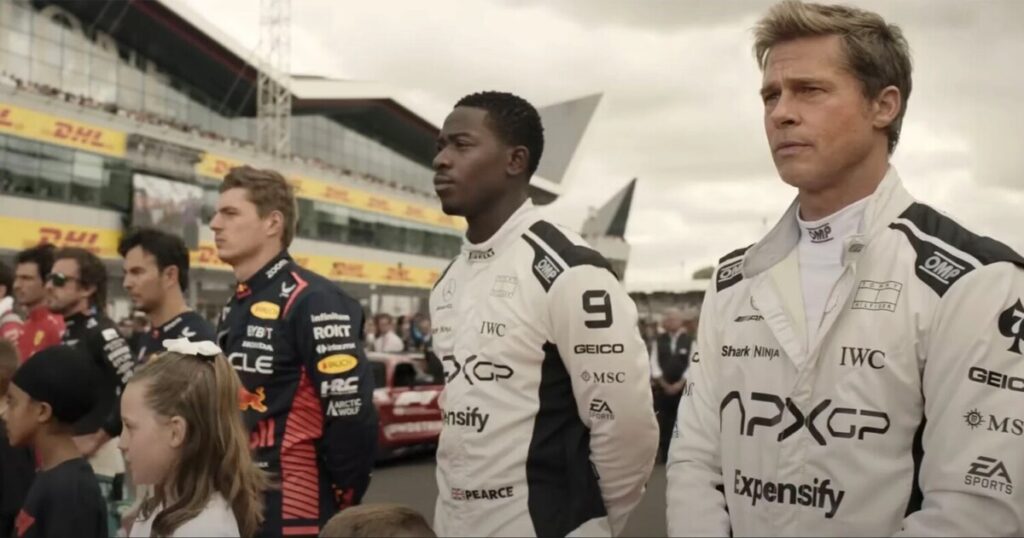
Nominees:
- F1 (Stephen Mirrione) [pictured]
- Marty Supreme (Ronald Bronstein and Josh Safdie)
- One Battle After Another (Andy Jurgensen)
- Sentimental Value (Olivier Bugge Coutté)
- Sinners (Michael P. Shawver)
Image: Apple/Warner Bros.
Avery: Sinners
The editing in Sinners played a HUGE role in maintaining the film’s pacing and emotional impact. Despite genre shifts and its having such a complex structure, the editing kept the story flowing smoothly. Transitions between intense, quiet and surreal moments felt natural (which was really impressive, honestly). Sinners never felt confusing or dragged, which I think is a testament to really strong editing.
Milo: One Battle After Another
I don’t think I can really judge what makes good film editing. I guess by the time someone’s working on a Hollywood movie, they’re skilled enough to not totally screw it up. But I was surprised to find out, while doing research for this article, that One Battle After Another was actually the longest of these five movies. I spent nearly three hours in the theatre watching it, but it felt like barely two. If that’s not a sign of good editing, what is?
Gabby: One Battle After Another
Honestly, I think all of the movies had good film editing. However, some of them seemed to drag on a little bit, and that’s something that I didn’t really notice in One Battle After Another. That could be because the movie was so action-packed, but I think it was because the editing made it move along smoothly and quickly.
Best Visual Effects

Nominees:
- Avatar: Fire and Ash [pictured]
- F1
- Jurassic World Rebirth
- The Lost Bus
- Sinners
Image: 20th Century Studios
Avery: Avatar: Fire and Ash
Honestly, I don’t think I actually need any reasoning for this one. As a long-time diehard fan of Avatar, Avatar: Fire and Ash was the clear choice for Best Visual Effects. The insane level of detail, realism and scale in the film is unmatched by any of the other nominees (yes, even Jurassic World: Rebirth). Despite my liking The Lost Bus and Sinners, they in no way, shape, or form compare to the visual marvel that is Avatar (the whole franchise is just breathtaking). Every environment felt immersive and fully realized, making it easy to forget that about 98% of the movie relied on CGI. Considering the fact that James Cameron waited literal years to make Avatar: The Way of Water because he was waiting for – and helping to develop – the groundbreaking underwater motion-capture technology, it shows he is incredibly dedicated to his craft. The Avatar franchise continues to push the boundaries of visual effects, and this installment was no exception.
Milo: Avatar: Fire and Ash
There’s no justification needed here. The other nominees had some cool effects, but no one held a candle to Avatar. The film’s VFX were in production for eight years with a team of thousands, and all that work shows. Almost every shot involves some kind of effect, and every frame is absolutely gorgeous. The previous two Avatar movies both won this award, and Fire and Ash seems destined to make it a three-peat.
Gabby: Avatar: Fire and Ash
If you’ve ever watched an Avatar movie, you’d know how incredible the scenery is. None of the other films can compare to Avatar‘s special effects, and I think out of all the categories, I’m most sure about this one. Everything looks so real and beautiful. It’s very impressive what editing technology can do.
Best Original Score

Nominees:
- Bugonia by Jerskin Fendrix
- Frankenstein by Alexandre Desplat
- Hamnet by Max Richter
- One Battle After Another by Jonny Greenwood
- Sinners by Ludwig Göransson [pictured]
Image: Critics Choice Association
Avery: Sinners
Hands down, Sinners is my #1 choice for this category. The score in Sinners was incredibly effective because it felt inseparable from the film itself. The blues-inspired music reinforced the setting and theme of the movie without overpowering any scenes. Instead of drawing too much attention, the score subtly shaped the emotional experience of the film. It added depth and cohesion to an already complex story, really being the cherry on top.
Milo: Sinners
First off, I would like to say that there were some egregious snubs this year. Out of Jung Jae-il’s score for Mickey 17, Bryce Dessner’s for Train Dreams, Nine Inch Nails’ for Tron: Ares, and Daniel Lopatin’s for Marty Supreme, at least two should have been nominated. Now, on to Sinners. The thing that stood out to me most about Ludwig Göransson’s score was how well it fit the movie. As opposed to Bugonia’s disruptive brass or One Battle After Another’s deafening percussion, the music was so well integrated that sometimes I forgot it was there. The guitar-heavy blues sound is very different from Göransson’s previous two Oscar-winning scores (Black Panther and Oppenheimer), but it fits perfectly in the surreal world of Sinners.
Gabby: Sinners
The music in this movie was very surprising and not something I expected. It was full of symbolism, though, from the cultural blues to the vampire’s Irish folk tales. It was really good music too. Sammie Moore, played by Miles Caton, has an amazing voice, and it was cool that he was able to showcase it. With music this good, this movie is a musical.
Best Original Song

Nominees:
- “Dear Me” by Diane Warren, from Diane Warren: Relentless
- “Golden” by Ejae, Mark Sonnenblick, 24, Ido, and Teddy Park, from KPop Demon Hunters [pictured]
- “I Lied to You” by Raphael Saadiq and Ludwig Göransson, from Sinners
- “Sweet Dreams of Joy” by Nicholas Pike, from Viva Verdi!
- “Train Dreams” by Nick Cave and Bryce Dessner, from Train Dreams
Image: Netflix
Avery: “I Lied to You”
“I Lied to You” fits the emotional core of Sinners so incredibly beautifully. The song is personal, raw and closely tied to the themes of betrayal and survival in the film. Let me not forget to mention, Miles Caton has a beautiful voice, AND he learned to play blues guitar specifically for the movie. Unfortunately, I do think “I Lied to You” is going to be slept on. I know, “Golden” is absolutely more likely to win due to its popularity, but “I Lied to You” feels more meaningful within its film and leaves a stronger emotional impact.
Milo: “Golden”
After the Academy announced that only “Golden” and “I Lied to You” would be performed on the ceremony broadcast, it became even clearer that they’re the only real contenders. Did I like Sinners more than KPop Demon Hunters? Absolutely. Should “I Lied to You” win? Probably. Will it? Definitely not. “Golden” has broken into mainstream pop culture to an extent that an experimental blues/hip-hop song just can’t. Despite Sinners‘ absolutely stunning musical sequences and Miles Caton’s great vocals, “Golden” seems like the obvious choice.
Gabby: “Golden”
If you haven’t heard this song by now, you are probably living under a rock. Everyone knows “Golden”. It’s the new hit song in elementary schools. Younger siblings and cousins will be humming this 24/7. The other songs are good, but they didn’t become popular the way “Golden” did. The vocals are extremely impressive, and in all honesty, I’ve caught myself humming the tune multiple times.
Best Animated Feature

Nominees:
- Arco
- Elio
- KPop Demon Hunters [right]
- Little Amélie or the Character of Rain
- Zootopia 2 [left]
Images: Disney/Netflix
Avery: Zootopia 2
I know that KPop Demon Hunters is by far the fan favorite. I’ll admit, I watched it multiple times, and I found it to be a very good, entertaining movie. However, I am biased on this one. I think Zootopia 2 should win Best Animated Feature. It successfully expanded on the original film’s world while still telling a fully relevant and engaging story. The animation itself was, of course, expressive and polished. But what really stood out most was the film’s social commentary, which felt just as timely as the first movie’s. It perfectly balanced humor with meaningful themes, appealing to both kids and adults.
Milo: KPop Demon Hunters
To be entirely honest, I didn’t actually finish this movie. My sister put it on the TV, and I sort of half-absorbed the first third or so. Then I left. Needless to say, I didn’t really like it. However, it’s been objectively the most successful of the nominees by far. I haven’t seen anyone wearing an Arco shirt, and I hadn’t even heard of Little Amélie before the nominations came out. Animated Feature is usually the category most tied to commercial success, and for that reason, I think KPop Demon Hunters is this year’s winner.
Gabby: KPop Demon Hunters
I was a camp counselor this past summer, and all the kids could talk about was KPop Demon Hunters. This movie came out in June, and girls were coming to camp wearing shirts with Rumi, Zoey and Mira on them by July. To try to understand the hype, I watched the movie as well. I thought it was actually really, really good and entertaining, even as a 16-year-old. The songs were extremely catchy and the underlying message of romance in the film started a whole fandom. Everybody – kids, teens and parents – are ready for a sequel. I mean, it was so good that they now have the regular version, the sing-along version and a concert version.
Best Adapted Screenplay

Nominees:
- Bugonia by Will Tracy, based on Save the Green Planet! by Jang Joon-hwan [bottom]
- Frankenstein by Guillermo del Toro, based on the novel by Mary Shelley [middle]
- Hamnet by Chloe Zhao and Maggie O’Farrell, based on the novel by Maggie O’Farrell
- One Battle After Another by Paul Thomas Anderson, based on Vineland by Thomas Pynchon [top]
- Train Dreams by Clint Bentley and Greg Kwedar, based on the novella by Denis Johnson
Images: Warner Bros./Netflix/Focus Features
Avery: Frankenstein
Yes, I chose Frankenstein for Best Adapted Screenplay. It somehow reimagines Mary Shelley’s novel for a modern audience without straying too far from the core story. The film does stay true to the book’s main themes of isolation, ambition and humanity, while also expanding emotionally on The Creature’s perspective (which really adds to the movie and the humanity of The Creature). Adapting any well-known text can be very difficult, but Guillermo Del Toro’s Frankenstein managed to feel both faithful and new.
Milo: One Battle After Another
Paul Thomas Anderson is the only filmmaker to have directed an adaptation of a Thomas Pynchon novel, with this being his second after 2014’s Inherent Vice. Pynchon’s work is known for being dense and complex, and has caused significant controversy. Try to read the plot synopsis for Vineland on Wikipedia. Seriously, I dare you. I can’t really understand it, but bringing it to the screen was clearly no easy feat.
Anderson’s screenplay seems like it shouldn’t possibly work on so many different levels. It takes the traditional structure of an action movie and flips it on its head, slowing down a winding, high-stakes pursuit through California to focus on a variety of satirical characters. While doing this, it deftly balances a dozen tonal shifts. Within minutes of the end of its prologue, the movie transitions from a serious thriller about anti-ICE militants to a Hangover-style farce and then a teen comedy, before landing back at thriller. However, it manages to wrangle this very complex story and tonal gradient into a quite understandable movie. By keeping the overall plot (relatively) simple and leaving complexity to the backstory and side characters, the movie avoids the confusion often associated with a Pynchon novel.
Unlike a typical adapted screenplay, this is essentially an original screenplay very, very loosely resembling the source material. OBAA’s characters have some similarities to Vineland’s, but none share names. The plot is transposed from 1984 to the present day, and its focus is on immigration issues instead of the war on drugs, which is at the center of Vineland.
On top of that, PTA adds his own absurdist flair. A hallmark of his style is the use of comical dialogue in completely serious scenes (look no further than Daniel Plainview ranting madly about milkshakes seconds before killing a man in There Will Be Blood). That’s definitely present here, with half of the characters sounding like the participants in a particularly unsavory Reddit forum, yet still bringing depth and weight to the story. All in all, Paul Thomas Anderson reframed Pynchon’s novel to make it more relevant while sticking to its original message, and he knocked it out of the park.
Gabby: Bugonia
This is one of my favorite movies ever. I haven’t watched Save the Green Planet!, so I can’t say for sure how much it changed from movie to movie, but they were able to turn a South Korean sci-fi comedy into a suspenseful, thrilling and impactful movie. I was absolutely shocked by the ending, and out of all the movies nominated this year, I would say this is a must-watch. The performances were incredible, and so convincing. Everything about this movie had me glued to the screen.
Best Original Screenplay

Nominees:
- Blue Moon by Robert Kaplow
- It Was Just an Accident by Jafar Panahi, Nader Saïvar, Shadmehr Rastin, and Mehdi Mahmoudian
- Marty Supreme by Ronald Bronstein and Josh Safdie
- Sentimental Value by Eskil Vogt and Joachim Trier
- Sinners by Ryan Coogler [pictured]
Image: Warner Bros.
Avery: Sinners
I’m glad that Milo and Gabby agree with me on this one, because I may have had to unfriend them if they didn’t feel the same way. As one might see, I absolutely loved Sinners. It was such an original and ingeniously layered movie. The story, though the idea seems a bit outlandish, somehow blends history, mythology and social commentary in a way that feels fresh and intentional without being overwhelming. With each rewatch, I’ve noticed more symbolism and the way each character plays into the story. It’s the kind of script that you can really sit down with and unpack, which is why I think it deserves so much recognition.
Milo: Sinners
It’s impossible to imagine how Ryan Coogler pitched Sinners to Warner Bros and got a $90 million budget to make it. It’s a serious period drama that somehow also includes vampires, blues music and, at one point, a DJ spinning records in the 1930s Mississippi Delta. All of that happens in just over two hours. Such a crazy combination could easily turn out confusing and incoherent, but the script holds it together perfectly. The dialogue is emotional and funny, and every character, from musicians to vampire hunters, feels like they belong in the story.
Gabby: Sinners
This movie was so unique, but somehow it actually worked. Who comes up with an idea like this? It was one of the craziest movies I’ve ever seen. It was so fast-paced and kept everyone on the edge of their seats. It’s one of those movies you have to watch a second time just to catch all of the symbolism embedded in it. It was a really brilliant film.
Best Supporting Actress
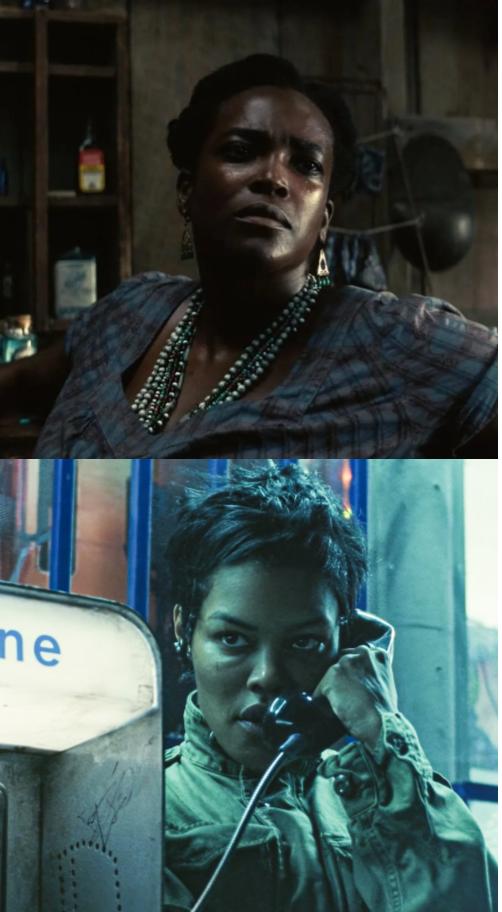
Nominees:
- Elle Fanning as Rachel Kemp in Sentimental Value
- Inga Ibsdotter Lilleaas as Agnes Borg Pettersen in Sentimental Value
- Amy Madigan as Aunt Gladys in Weapons
- Wunmi Mosaku as Annie in Sinners [top]
- Teyana Taylor as Perfidia Beverly Hills in One Battle After Another [bottom]
Images: Warner Bros.
Avery: Wunmi Mosaku
I, for one, am amazed that neither Gabby nor Milo picked Wunmi Mosaku to win best supporting actress. Wunmi Mosaku gave one of the most emotionally impactful performances in Sinners, which is hard to do considering everyone in the movie did a phenomenal job portraying their characters. Her role wasn’t a particularly flashy one, but it was deeply human, and she brought warmth, pain, and strength to her character. Her performance really grounds the more surreal elements of the film and gives the story even more emotional weight. Mosaku’s delivery made her character an unforgettable one.
Milo: Teyana Taylor
Teyana Taylor’s performance in One Battle After Another proves that less really can be more. Her character Perfidia is a radical militant revolutionary who manipulates her comrades, betrays her own ideals and abandons her infant daughter to save herself. Despite being onscreen for less than twenty minutes, the majority of the movie’s plot is motivated by her. In a movie where almost every character is comical, Taylor’s dead-serious performance stood out. I absolutely hated her guts to the point where I thought her on-screen daughter didn’t hate her enough. That’s great acting.
Gabby: Teyana Taylor
Taylor did such an amazing job playing Perfidia. I hated Perfidia when I watched the movie. I thought she was only out for herself, was manipulative and failed to accept the consequences of her actions. This just proves how incredible Taylor was. She was able to build this unique, reckless character in a way so that viewers hated Perfidia. She won a Golden Globe for her performance, and this is her first Oscar nomination.
Best Supporting Actor

Nominees:
- Benicio del Toro as Sensei Sergio St. Carlos in One Battle After Another
- Jacob Elordi as The Creature in Frankenstein [top]
- Delroy Lindo as Delta Slim in Sinners
- Sean Penn as Colonel Steven J. Lockjaw in One Battle After Another
- Stellan Skarsgård as Gustav Borg in Sentimental Value [bottom]
Images: Netflix/Nordisk Film
Avery: Jacob Elordi
I was lucky enough to see Frankenstein at the theater, and boy, am I glad that I did. Beyond the world and costumes, Jacob Elordi’s portrayal of The Creature was heartbreaking and powerful. I found it so intriguing (especially with about 11 hours of prosthetics on) that he managed to make a character that is so often depicted as monstrous feel human and vulnerable. Watching The creature learn to speak and understand emotion, combined with Elordi’s emotional control, truly carried the performance. His work added a whole new layer of tragedy to an already timeless story, even drawing me in to read Frankenstein.
Milo: Stellan Skarsgård
With all due respect to Jacob Elordi, I don’t think this is his year. All of the nominees were excellent (especially Sean Penn), but Stellan Skarsgård stood out the most because of how simple his role was. Despite a total lack of the other nominees’ vampires, car chases, karate, or necromancy, his performance was grounded and moving. Playing Gustav, a film director grappling with the decline of his career, he felt like the anchor that held down Sentimental Value. Even more impressively, he delivered this performance despite having to use an earpiece—through which he was given his lines—because of memory issues following a stroke in 2022. He’s coming off a Golden Globe win in the same category, and this is his first Oscar nomination.
Gabby: Jacob Elordi
I watched Frankenstein on a whim with my sister, and I honestly think it was my favorite movie nominated. While I don’t think it will win Best Picture, I really do hope Jacob Elordi wins in this category. He made me fall in love with The Creature. I felt so bad for him, and I was rooting for him the entire time. It was incredible to watch The Creature learn how to speak and interact with society and deal with discrimination. Elordi truly portrayed this naive but learning character so well, and I really do think he deserves this award. This is his first Oscar nomination.
Best Actor

Nominees:
- Timothée Chalamet as Marty Mauser in Marty Supreme [bottom]
- Leonardo DiCaprio as Pat Calhoun/Bob Ferguson in One Battle After Another
- Ethan Hawke as Lorenz Hart in Blue Moon
- Michael B. Jordan as Smoke Moore and Stack Moore in Sinners [top]
- Wagner Moura as Marcelo Alves and Fernando Solimões in The Secret Agent
Images: Warner Bros./A24
Avery: Michael B. Jordan
When we were initially talking about who we thought deserved this award, it came to my attention that not everyone (read: Gabby) realized that Michael B. Jordan played both Smoke and Stack! I thought he did an extremely good job portraying both of the twins. It seemed authentic, like he was genuinely two different people. The technology used to show the twins in their scenes together was also quite impressive, and blended both of Jordan’s performances perfectly.
Milo: Timothée Chalamet
An Oscar win for playing a table tennis champion seems ridiculous, but all of Marty Supreme is. The movie is a thriller about a sport very few people take seriously, but Timothee Chalamet’s performance makes it easy to forget that, and even easier to get sucked into the absurd drama. Even if some actors (specifically, Robert De Niro in The Alto Knights and Jesse Plemons in Bugonia) got horrifically snubbed this year, and despite the absolute publicity nightmare that is Marty Supreme director Josh Safdie, Chalamet still seems like the clear favorite, especially after a Golden Globe win.
Gabby: Timothée Chalamet
In Marty Supreme, Marty starts out as an arrogant kid who thinks he owns the world. The character change Chalamet performs is crazy; by the end of the film, he was a completely different man, a better man. His portrayal of emotion is incredible, and as a rising star, he has been known for his deeply emotional acting, winning a Golden Globe and a Critics’ Choice Award for his performance in Marty Supreme thus far. This would be his first Oscar.
Best Actress

Nominees:
- Jessie Buckley as Agnes Shakespeare in Hamnet
- Rose Byrne as Linda in If I Had Legs I’d Kick You
- Kate Hudson as Claire Sardina in Song Sung Blue
- Renate Reinsve as Nora Borg in Sentimental Value
- Emma Stone as Michelle Fuller in Bugonia [pictured]
Image: Focus Features
Avery: Emma Stone
To start, Emma Stone is an amazing actress, to start. She’s great at balancing realism with absurdity, like in Cruella, which carries through here. Her character could have been very easily exaggerated, but Stone really grounds the role. In the more unsettling moments of the film, her oddly controlled performance made everything feel more disturbing, which made it all the more entertaining!
Milo: Emma Stone
Emma Stone thrives in weird movies, and Bugonia is definitely no exception. Here, she plays a pharmaceutical CEO kidnapped by two conspiracy theorists, who believe she is a member of an alien race intent on destroying Earth. No, really. As the more normal counterpoint to Jesse Plemons (who, I’ll say it again, really should have been nominated for an Oscar) and Aidan Delbis, she managed to make the film’s central premise seem completely ridiculous, while also treating it seriously enough that it was impossible to fully dismiss. Her deadpan delivery and chilling calmness were sometimes hilarious and sometimes terrifying, but were always suspenseful and entertaining. This is her third Oscar nomination for a Yorgos Lanthimos movie, following The Favourite in 2018 and a win for Poor Things in 2023 (she also won for La La Land in 2016 and was nominated for Birdman in 2014). While Jessie Buckley is realistically the more likely winner, Stone’s performance was my favorite by far.
Gabby: Emma Stone
In Marty Supreme, Marty starts out as an arrogant kid who thinks he owns the world. The character change that Chalamet performs is crazy. By the end of the film, he is a completely different and better man. As a rising star, he has been known for his deeply emotional acting, winning a Golden Globe and a Critics’ Choice Award for his performance in Marty Supreme thus far. This would be his first Oscar.
Best Director

Nominees:
- Chloe Zhao for Hamnet
- Josh Safdie for Marty Supreme
- Paul Thomas Anderson for One Battle After Another [top]
- Joachim Trier for Sentimental Value
- Ryan Coogler for Sinners [bottom]
Images: Rolling Stone/CNN
Avery: Ryan Coogler
Ryan Coogler – what a genius director. His direction in Sinners was incredibly ambitious and confident. The film blends genres – historical drama, horror, AND musical – yet it never feels disjointed, which I find speaks to Coogler’s strong vision. Every creative choice felt intentional, from performances, symbolism, and pacing. Directing a film this complex while still keeping it emotionally coherent is no small feat, and Coogler handled it masterfully.
Milo: Paul Thomas Anderson
I assumed Anderson already had at least one Best Director trophy, and was surprised to learn that he’s actually never received an Oscar. Personally, I haven’t seen a film of his and not loved it. Not only that, but his 2007 period drama There Will Be Blood is frequently called the best of the 2000s and even the 21st century. But Anderson is 0 for 11 at the Oscars, and his work overall is 3 for 28. However, One Battle After Another’s reception has been even more positive than any of his previous movies. Anderson won Best Adapted Screenplay and Best Director at the Golden Globes, and the movie was the most nominated at the BAFTAs. PTA has this one in the bag.
Gabby: Chloe Zhao
Hamnet was such a brilliant and powerful movie. It was so sad, but so moving. It’s a forbidden love story between William Shakespeare and Agnes. The story evolves to their married life with children. Agnes was played by Jessie Buckley, and I hope that if Emma Stone doesn’t win best actress, she does. She did a phenomenal job playing a grieving mother. The film, in general, was beautiful; everything really just worked for the story. The settings, the actors, the direction the plot went, it was all so perfectly planned. It was a really good movie.
Best Picture

Nominees:
- Bugonia [middle]
- F1
- Frankenstein
- Hamnet
- Marty Supreme
- One Battle After Another [bottom]
- The Secret Agent
- Sentimental Value
- Sinners [top]
- Train Dreams
Images: Warner Bros/Focus Features
Avery: Sinners
I thought that Sinners was an amazing movie. I was a huge fan of the entire story and the symbolism of the vampires. I won’t go into TOO much detail, but I’ll say this: I rewatched Sinners multiple times. I picked up new things every time I rewatched it, and one of the things that stood out to me was the portrayal of the vampires. Remmick and all of the vampires that he created can be viewed as a representation of colonization and oppression, and Sinners has such a unique way of getting that message across.
Milo: One Battle After Another
This and Bugonia are the only nominees I’d give a 10/10 to, but sadly, Yorgos Lanthimos’ work doesn’t seem to be very well-liked by the Academy. So, I’ll go with my second choice. For a movie that was written years ago and based on a novel published in the 1980s, OBAA still felt incredibly relevant in 2025. While it takes a very comedic angle, it still approaches serious issues with nuance and from unusual perspectives. Aside from that, it felt very different from everything else I watched last year. The choices made in every aspect of production—script, acting, visuals, music—seem bizarre individually, but meshed to create a perfect action movie. Every moment is full of emotion, and Paul Thomas Anderson managed to make things like a five-minute DNA test seem just as thrilling as the climactic car chase. The three hours in the theater were well worth it for this movie. Viva OBAA!
Gabby: Bugonia or Frankenstein
I know Frankenstein is not going to win. It was, however, my favorite movie out of the nominees. The costumes, the setting – everything was absolutely gorgeous. I mean, the story in itself is amazing, but they really did bring the book to life. I also don’t think Bugonia will win, but it was such a disturbing and intriguing movie. There’s a little bit of mystery to it, and I was definitely not expecting it to go the way that it did. It kept me on the edge of my seat. That was also one of my favorite movies I’ve seen this year. I think One Battle After Another or Sinners is going to win. Even though those movies were also good, I personally did not find them as entertaining as Bugonia or Frankenstein.
Our Personal Favorites
Even if they didn’t all get Oscar recognition, these were the movies we each loved the most in 2025. We encourage you to check some of them out.