
Molly Holmstead, @Molly1Courant
Photo by John Frieders
A handful of student athletes are preparing for something only a few achieve: competing at the Division I collegiate level. While their accomplishments may seem like natural talent from the outside, the truth is far more complex. Behind every offer letter and commitment post lies years of early mornings, late-night study sessions, missed social events and constant pressure to perform—both in the classroom and in competition.
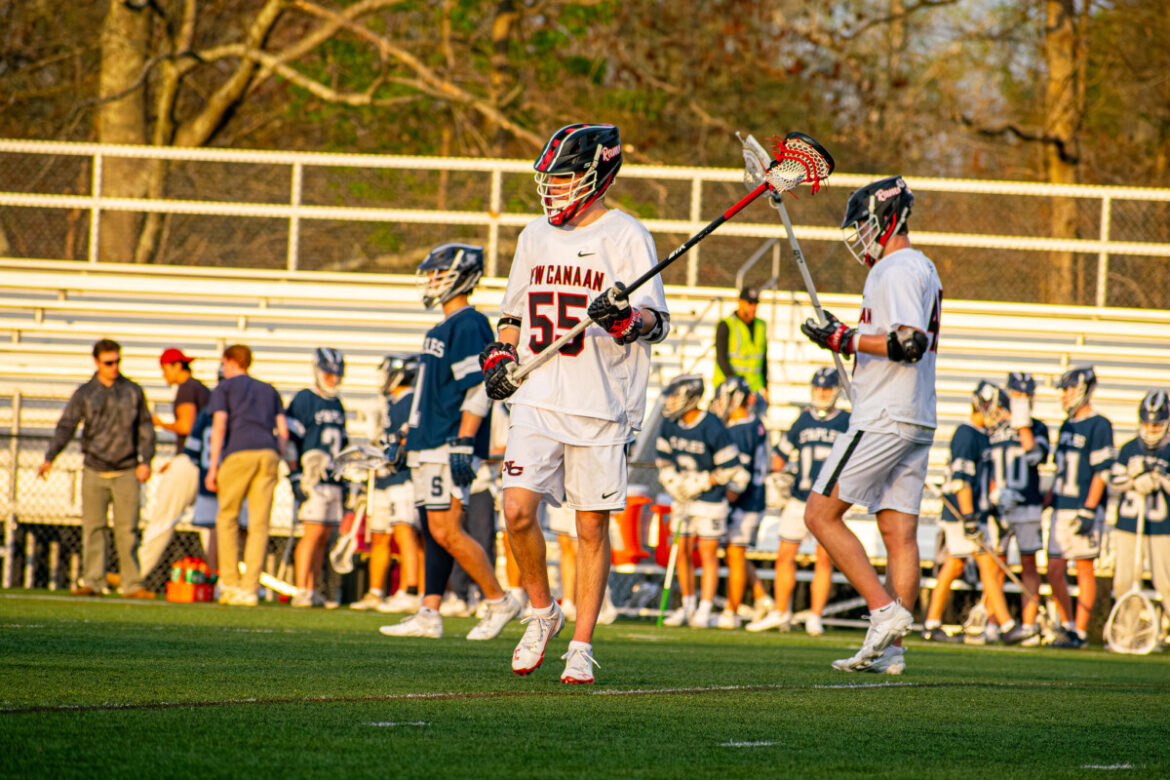
For each of these student-athletes, the path to Division I wasn’t just a single decision—it was a series of relentless efforts, often years in the making. “The real fun started on September 1, where coaches reached out at 12 a.m.—whether that be an email, text, or call—and that continues on throughout the entire day,” Senior lacrosse player committed to Boston University, Brayden Robie said. “It can be super nerve-racking. It’s full of calls from schools you’ve dreamed of and others you’ve never even considered. You have to make a huge life decision in just a few weeks.”
Brayden’s commitment was the result of countless hours on the field, with the Eclipse Lacrosse Club, where he trained alongside some of the best athletes in the country.
“Being part of great programs like Eclipse has prepared me for the college game my entire career,” he said. “Majority of the coaches either played or coached at the highest level and gave really good insight.”
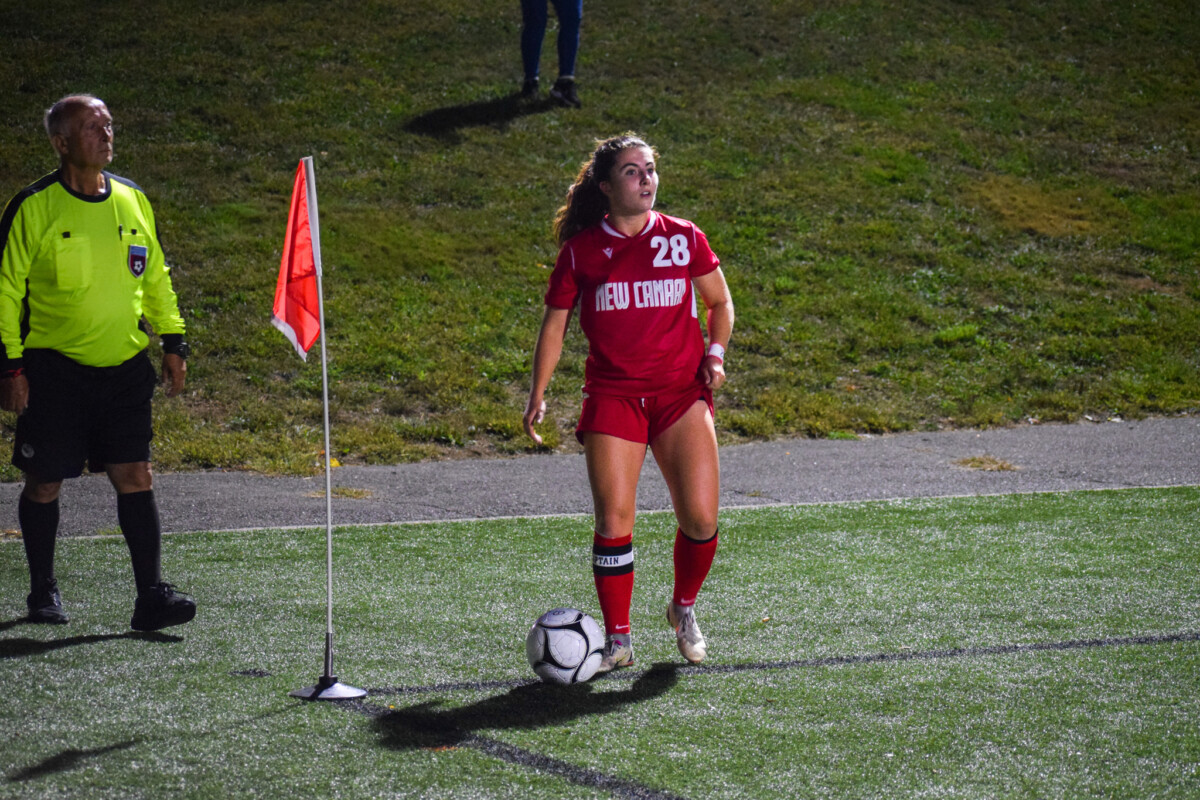
For Paige Place, a future Division I soccer player at Lehigh University, the journey was rooted in early exposure and persistent outreach. “I emailed a lot of schools to come watch me play,” Paige said. “Lehigh saw me at a couple games and eventually invited me to their ID camp. That’s when I got on campus and started to really envision myself there.”
Traveling across the country—from Arizona to New Jersey—for tournaments and national showcases, Paige took every opportunity to improve and get noticed. “We qualified for Nationals three years in a row, which gave us great exposure,” she said. “That was something I always mentioned when talking to college coaches.”
Despite her intense schedule, Paige found that her commitment to soccer actually helped her manage her academics better. “Playing sports actually makes me more productive,” Paige said. “I have a structure and a reason to stay on top of everything.”
Now, as she prepares for her first college preseason, Paige is following a strict training plan. “Running, ball work, strength training—it’s all part of the summer prep,” Paige said. “I want to be ready when I show up in August.”
When asked what advice she would give to younger players, she kept it simple. “Never say no and be open to as many opportunities as possible,” Paige said. “You never know where one email or showcase might lead.”
Jack Haley, a senior swimmer headed to Princeton University, echoed the importance of structure and focus. Years of balancing elite-level training and academic rigor have shaped his success.
“There were times I had to sacrifice sleep or free time to stay on top of everything,” Jack said. “But I’ve learned that discipline and routine are everything. Swimming gave me structure.”
Jack also credited the people around him for helping him stay motivated. “It’s comforting to know you’re surrounded by people who get it—coaches, teammates, family,” he said. “That shared mindset makes the hard days feel a little more manageable.”
As for why he chose Princeton, it wasn’t just about swimming. “Princeton has always been a dream school for me, not just because of its world-class academics but also because of its strong athletic tradition,” Jack said. “Meeting the coaches and team really solidified that feeling and made the decision feel right for me on every level.”
Looking ahead, Jack is preparing not just physically but mentally for the next stage of college. “It’ll be an adjustment, but I’m not too worried,” he said. “I’ve been in a high-pressure swim environment for years, so the training won’t be new. I’m more focused on setting a schedule that lets me perform in the pool and in the classroom.”
These student-athletes may come from different sports, but their stories all reveal the same core truth: success at the Division I level is earned long before a college commitment is posted. It’s in the quiet moments of discipline, the hard decisions, and the resilience they’ve built over years.