Milo Zinser-Trudel, Reporter
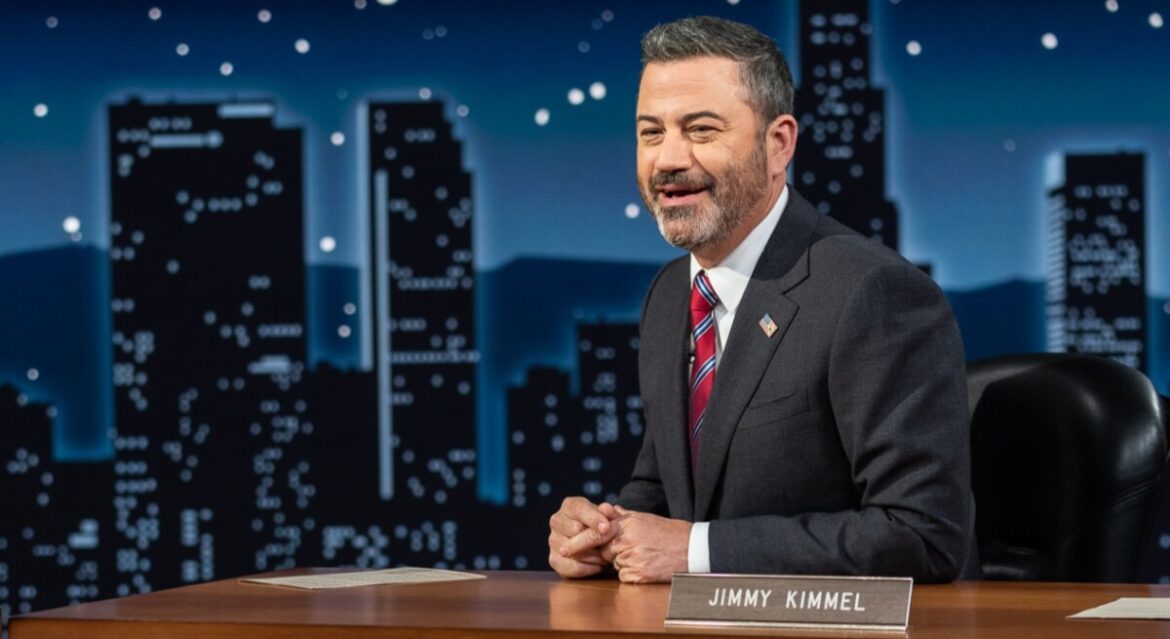
Jimmy Kimmel Live! returned to (most) ABC stations on September 23, ending a six day suspension following backlash to its host’s remarks about the murder of Charlie Kirk. His sudden removal from the network brought just as much, if not more controversy as the remarks themselves, and highlighted an increasing pattern of censorship and threats towards the media from the Trump administration.
During his opening monologue on September 15, five days after Kirk’s death, Kimmel said that conservatives were “desperately trying to characterize this kid who murdered Charlie Kirk as anything other than one of them, and doing everything they can to score political points from it.”
(This occurs two minutes into the video below)
Almost immediately, the show drew heavy condemnation from many on the right. In a podcast interview on the 17th, Federal Communications Commission Chairman Brendan Carr called Kimmel’s monologue “some of the sickest conduct possible. He also said ABC could respond to it “the easy way or the hard way,” suggesting that his agency could revoke ABC’s broadcast license or punish its parent company Disney on the grounds that they were engaging in “news distortion” (Kimmel’s show likely isn’t subject to FCC news regulations).
Alternatively, Carr said, Disney could take proactive action and avoid FCC involvement. Essentially, Disney could either censor Kimmel and themselves, or have ABC and their other channels forcibly censored by the government.
Shortly after Carr’s interview, two companies, Nexstar Media Group and Sinclair Broadcast Group, who together manage about 20% of ABC coverage nationwide, announced that Jimmy Kimmel Live! wouldn’t air on their stations, beginning that night. Shortly after, ABC suspended the show indefinitely.
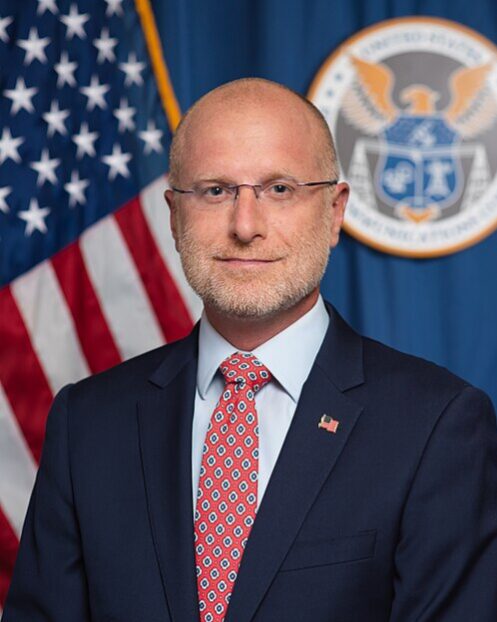
Photo: Federal Communications Commission
It’s impossible to know exactly why this decision was made. However, both companies had reasons to try and stay in the FCC’s good graces.
Nexstar was (and still is) attempting to purchase fellow media company Tegna, a deal that would require approval from the FCC. Kimmel could have presented an opportunity to improve their chances of approval. Nexstar could give Carr and the FCC what they wanted, in the hopes that the favor would be returned down the road.
Similarly, Sinclair stands to benefit from appeasing the FCC. Carr has expressed an interest in changing a rule limiting ownership groups to 39% of national market share. On September 30, the FCC began a formal review of the market-share rule.
It’s hard to believe that, after nearly a decade of Jimmy Kimmel mocking Trump four nights a week, one relatively benign line would be the final straw for Nexstar or Sinclair. Their decisions were motivated purely by their bottom line and the need to protect it. After Jimmy Kimmel Live! resumed production, they put it back on the air less than two weeks after suspending it, once it became clear that Carr’s threats lacked substance.
The use of threats by government officials to compel a certain action by a private citizen or entity is called jawboning. It’s a violation of first amendment rights, but Trump has employed it repeatedly over the last year, leading to a very worrying pattern emerging.
On the campaign trail last year, he made 108 verbal threats towards journalists over a six-week period, and in February, banned an AP journalist from White House press conferences after the outlet refused to use the term “Gulf of America.” Facing tightening restrictions, the majority of Pentagon reporters, from across the political spectrum, quit in protest on October 15. The only reporters to stay were those from the conservative One America News, which has a record of support for Trump.
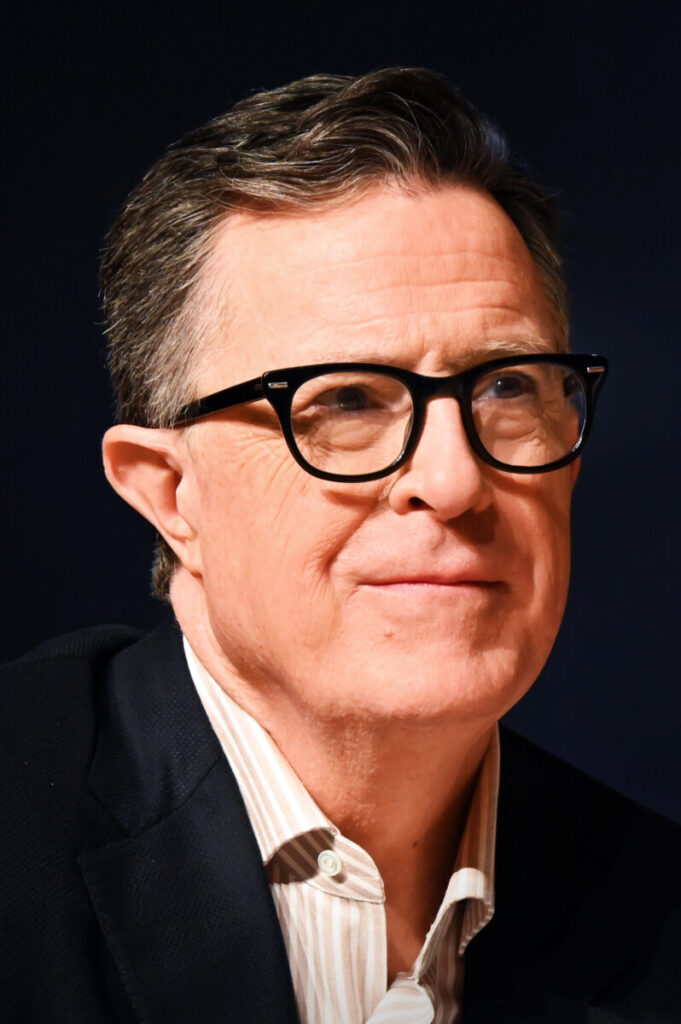
Photo: Philip Romano via Wikimedia
After less than a year, the administration’s hostile attitude towards the media has already become enough of a threat that many outlets are proactively appeasing Trump in order to protect themselves.
Over the summer, CBS and Paramount cancelled The Late Show, hosted by Trump critic Stephen Colbert, in advance of an acquisition by Skydance Media, which (like Nexstar’s deal) could have been prevented by the FCC. And this pattern has spread beyond the broadcast and news sectors.
On September 23, the day Kimmel returned, Apple’s TV+ service cancelled the release of a series called The Savant, which covers extremist political violence. This is only the latest development in the company’s recent appeasement of Trump. In January, CEO Tim Cook, who is openly gay and has criticized Republican policies, specifically those that target the LGBTQ community, donated $1 million to Trump. In August, he presented Trump with a 24-karat gold plaque at the White House.
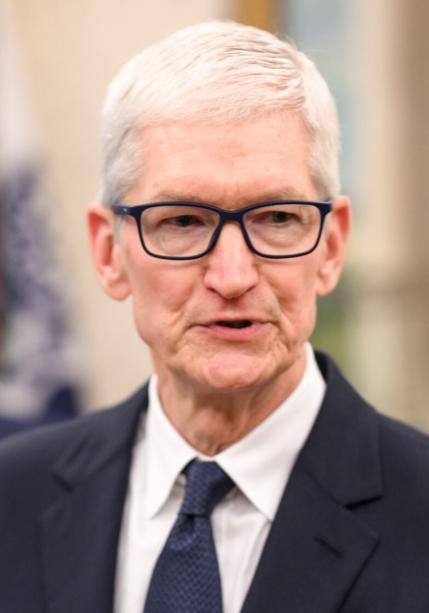
Photo: White House
Apple also removed ICEBlock, an app designed to track immigration enforcement officers, from the app store after demands from the Department of Justice. While the company previously refused to comply with government requests and felt free to make political statements, that seems to have changed now that requests have become threats and statements grounds for retaliation.
Another tech company, Google, agreed to pay Trump $22 million to settle a 2021 lawsuit. He filed suit because his account was blocked from uploading new videos after the January 6th riot一something the Supreme Court recently ruled social media platforms are allowed to do. But $22 million is a small figure for a multi-trillion dollar corporation to pay if it means protecting themselves.
With an increasing pattern of capitulation to Trump’s wishes, he shows no signs of slowing down. Next up on his wishlist: NBC’s Late Night and The Tonight Show, ABC’s The View, and The New York Times.
All of this amounts to what may be the most restrictive media environment since the Hollywood Blacklist. Media companies recognize that too much criticism of those in power could lead to government retaliation, and are choosing to muzzle themselves instead of fighting back. Without taking any actual action, the Trump administration has already significantly eroded free expression.
Uninhibited first amendment rights are why the media could report on the Watergate or Clinton-Lewinsky scandals, and why works of film and television like One Battle After Another and Succession can make political statements about both sides. They’re the root of freedoms we enjoy daily. Republican actions against them contradict Charlie Kirk’s own views and show a disregard for constitutional rights. If even one person can’t freely criticize those in power, it’s a loss for us all.