Jane Carroll, Story Editor
Graphic by Valentina Fuentes
A brand is known for its logo. It is used to define reputation, create a target audience and represent the brand. When thinking of your favorite brand, one of the first things that comes to mind is going to be the face of it. Between colors and iconic symbols a brand is made. Whether it’s gold arches or a swoosh, a logo is more than just a design. There is psychological, planning and a strategic way to crafting a brand logo.
The logo of a brand is made with a purpose of not only looking aesthetically pleasing but also bringing in more business. Popular companies all have an interesting and semi-engaging logo. For example Starbucks, Apple, Walmart, Adidas, Amazon, Disney and Red Bull. The brands range from food products, amusement parks and tech products.
Experts say that it takes less than 10 seconds for someone to form an opinion about a brand based on its logo. That first impression matters, and determines whether that individual will interact with the products that are being sold. This is why companies spend months curating the perfect design to represent their brand.
For instance, when Pepsi rebranded its logo in 2008, the redesign reportedly cost more than $1 million and took a team of experts to finish. It wasn’t just about simply choosing a better logo, but about remarketing the company as a whole, most importantly expanding their consumers.
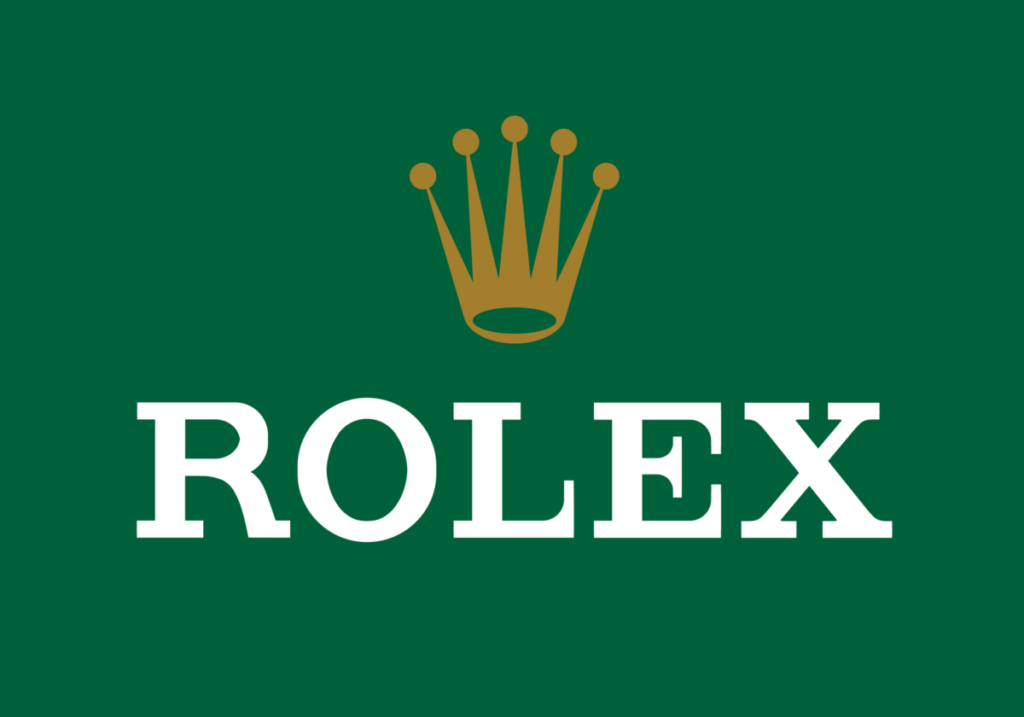
A successful logo tells a story. Take Rolex as an example. The crown atop of the name isn’t random. It represents royalty, luxury, a high social status, all uniting to align with the company’s goal of being high-end.
Another example of a brand with a deeper meaning behind a logo is Amazon. The arrow pointing from A to Z is to subtly show that their delivery service and products can make it from one end to the other, and only in a short time; otherwise represented with a swoop of an arrow.
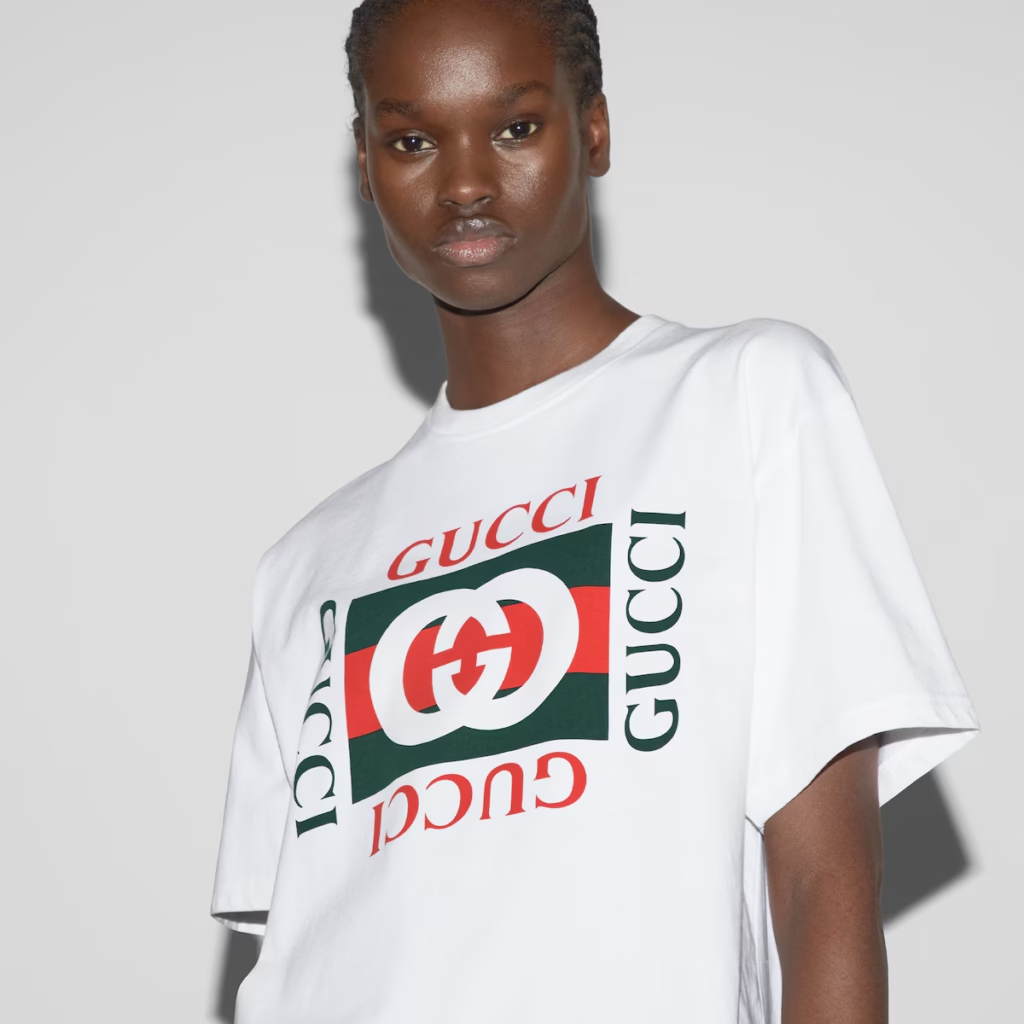
If you’ve ever thought that a brand seems to be appearing everywhere, like on clothing, billboards and commercials, there’s a reason for that. Clothing brands like Gucci, Tommy Hilfiger, Chanel, Nike and Louis Vuitton have their logo over the products to make the consumers almost like walking ads. When people see that other people have an “expensive” or “popular” brand it creates an urgency to also have the product in order to fit into a social normality, which starts the never ending cycle of consumerism.
The success of any logo relies not only on the visual design, but more importantly how people perceive it. In order for a logo to influence the consumer, the psychological aspect is a necessity. The logo must be relevant, meaningful and target the right audience.
Logos and psychology go hand in hand. The color wheel shows which colors can look aesthetically pleasing but also what it does to human brains. Colors like yellow and pink provide a comforting and happy idea of a brand. Blue makes a trustworthy perspective on a brand that makes the products seem more reliable. Twitter and Facebook both have an iconic blue logo, making the idea of posting pictures and personal information less daunting and more reassuring.
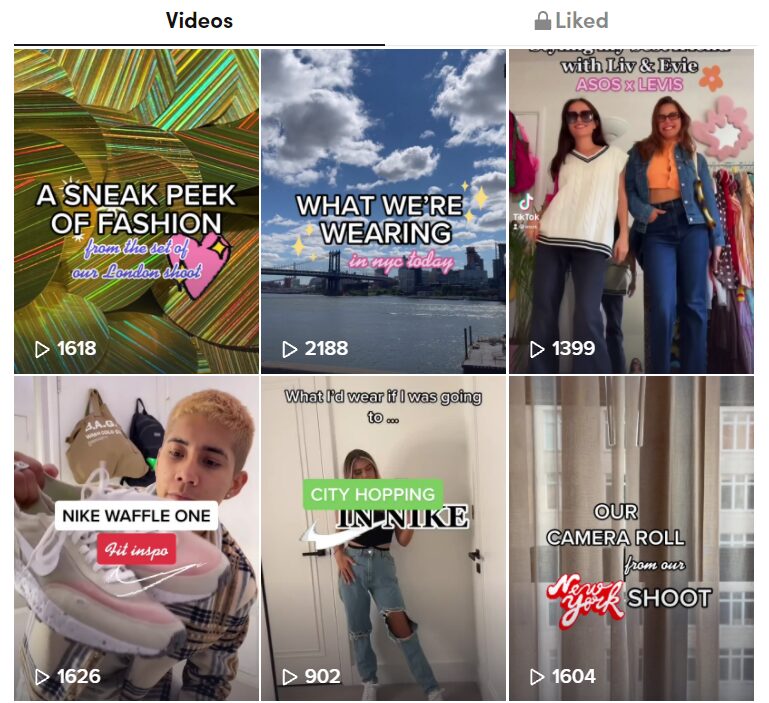
Social media is another large contributing factor to brands becoming popular. Through apps like Tiktok, Instagram, Youtube and X it allows brands to launch new products and gain a plethora of new consumers. The logo comes into play for making brands a big hit on social media. An eye catching cover for a video or picture can draw in an audience and build a brand. Brands that have hit the ground running through social media consist of SKIMS, Poppi and Duolingo.
There is so much more to a company’s logo and brand name, it involves numerous marketing strategies, social media and most importantly geniuses behind brand logos. The next time you see an eye-catching symbol or word look beyond the colors or pattern to see a hidden meaning.