Pruthvi Nukala, Arts and Tech Editor
@nukala_pru77565
While some students may be looking forward to spending their summer working at the YMCA as a lifeguard or working at a convenience store, others may not want to take a big break from school and instead take the summer as a time to pursue a subject of their choice.
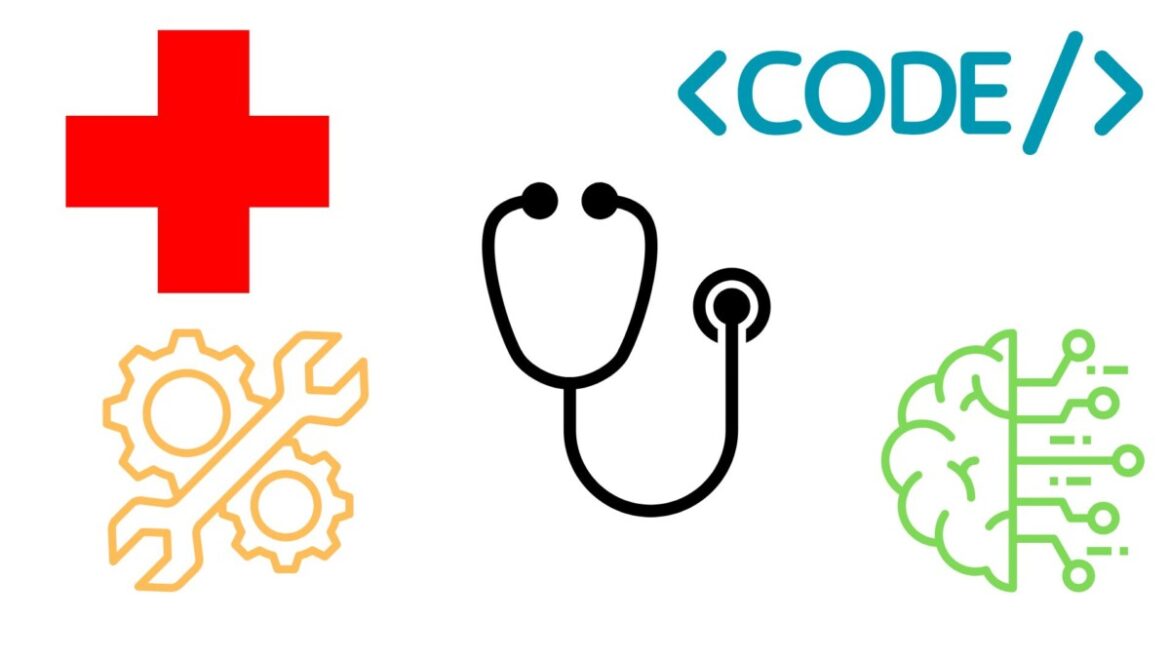
For people interested in a career in medicine, there are unlimited options extracurricular wise. Volunteering at your local hospital is the best way to start if you are interested. Senior Cassie Cronk shares her personal experience volunteering in the General Surgery Nursing unit at Stamford Hospital. “I was able to observe the responsibilities of nurses, personally comforting and tending to the patient’s needs” she said. “This sometimes included running down flights of stairs to find the specific book that a patient requested.”
What Cassie gained changed her perspective, understanding that the medical field isn’t all about scalpels and surgeries. Other institutions such as the Red Cross can also help other interested students gain basic skills. Senior Siddhi Singhania shared her experience working at the Red Cross this past summer. “Overall, my learning this past summer was more focussed on practical application, whether by having meetings or taking shifts,” she said. “I liked this because it gave me the opportunity to develop “soft skills”, such as collaboration.”
If the medical field is something that you aren’t that interested in, there are always other opportunities that may excite you. Senior Kathleen McDonough participated in the Engineering Bootcamp at the Stevens Institute of Technology. “This was a week-long sleepaway camp, where we spent a couple of hours each day exploring different engineering disciplines,” she said. “ I think one of the moments where I had the most fun was the naval engineering class where we split into groups of four and were tasked with building a boat that would hold the most pennies using a set of given materials.”
Although Engineering may seem like a subject that could be challenging, classes from school like Trigonometry and Physics can prepare you for it and lessen any anxiety. “I was able to apply the principles I had learned in my physics class in a fun and hands-on way. By experiencing each discipline hands-on, I really got a much better feel than if I was just lectured about them,” Kathleen said.
Senior Spencer Paine had a different experience last summer. He participated in a program at the NYU Tandon School of Engineering learning about AI and machines. His experience was more hands on and like a job, with set work hours and a commute. “The program’s structure was different from school. We’d spend the morning from 9-12 learning new material, and after lunch, we’d dive into hands-on projects based on what we just learned, working until about 3:30. This style of learning helped me grasp the material quickly and deeply,” Spencer said.
Doing something for the college applications will not be in your best interest as you may find your passion elsewhere and your extracurriculars collide. One important thing to remember is that these summer opportunities should be something you are interested in. Susan Carroll, Director of the College and Career Center gives advice to the kids who take summer courses just for their college applications. “It’s a shame if that is the only reason they are doing it is to impress schools.” she said. “Kids should do what they are interested in, they should do research if it’s something they are going to pay money for.”
What kind of extracurricular opportunity you choose should demonstrate your interests. “Extracurriculars are meant to offer another perspective for the student or the chance to align their interests with a potential college major. If you say that you are interested in business or finance but haven’t joined a club around that or held a job, the school might question your genuine interest,” Ms.Rivera said “In the end, the extracurriculars don’t hold as much weight in the decision as the courses you take and grades you get.”
All in all, whether you decide to take a course in engineering, volunteer at a hospital or work at an AI research center, choosing a course you are interested in is of utmost importance.“Students should be able to make the connection between the courses they take, the interests they are developing and link it to outside activities,” Ms. Rivera said.