Anna Fiorito, Reporter
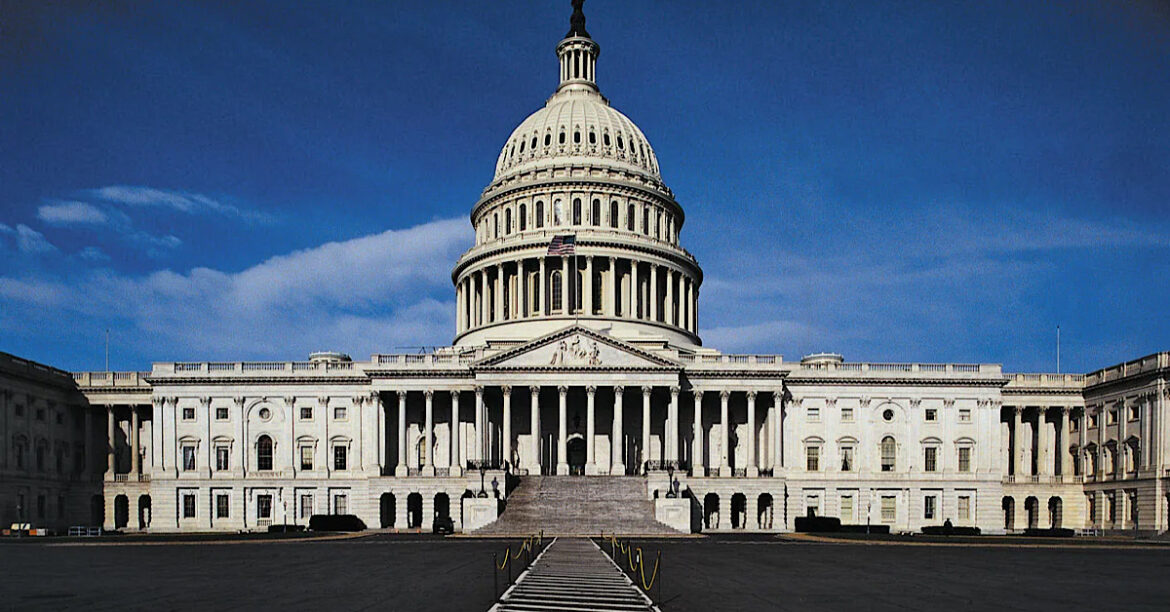
Photo by Google
The U.S. government has been shut down for more than three weeks after Congress failed to pass a new funding bill before the September 30 deadline. This deadline marks the end of the federal fiscal year, and without new spending legislation, funding for many government agencies ran out.
The shutdown began because lawmakers couldn’t agree on the terms of a temporary funding bill. The Republican party wanted to pass a “clean” bill to keep the government open without adding new programs or spending. The Democratic party, on the other hand, insisted that the bill must include expanded health insurance tax credits under the Affordable Care Act. With neither side willing to budge, the government entered a shutdown on October 1st, 2025. Since then, federal agencies have slowed and stopped many services, hundreds of workers have gone without pay, and Congress has repeatedly failed to break the deadlock.
On Monday, October 20, the Senate failed for the eleventh time to advance a Republican backed funding plan. The vote fell 49 – 45, short of the 60 votes needed to move forward. Two Democratic party members crossed lines to support the measure, as they have in past votes, but that was not enough. Senate Majority Leader John Thune switched his vote to “no” at the very last minute, allowing the option to bring the bill up again later. Because of the failed vote, the shutdown will continue at least another day, leaving federal workers, military families, and agencies in a state of uncertainty.
At the center of the fight is the question of whether to include health care subsidies in the funding bill:
- The Republican party is pushing for a short-term “clean” funding bill to keep the government running at current levels, without adding new spending measures.
- The Democratic party insists on adding enhanced Affordable Care Act subsidies, which could help millions of American citizens pay for their health insurance.
In the House, Speaker Mike Johnson has refused to bring members back to negotiate, telling reporters, “I don’t have anything to negotiate”.
While the political fight continues in Washington DC, the shutdown’s effects are being felt nationwide:
- The White House estimates the shutdown is costing around $15 billion per week in lost GDP.
- The CDC has issued layoff notices to around 1,000 employees, with about 600 still set to take effect. These cuts affect public health programs and research work.
- U.S. Capitol Police officers are working without pay, and their union is calling on Congress to act.
- Military families face uncertainty over paychecks, though the administration is using leftover Pentagon funds to keep paying troops temporarily.
- Coast Guard personnel will be paid this week under a separate funding law.
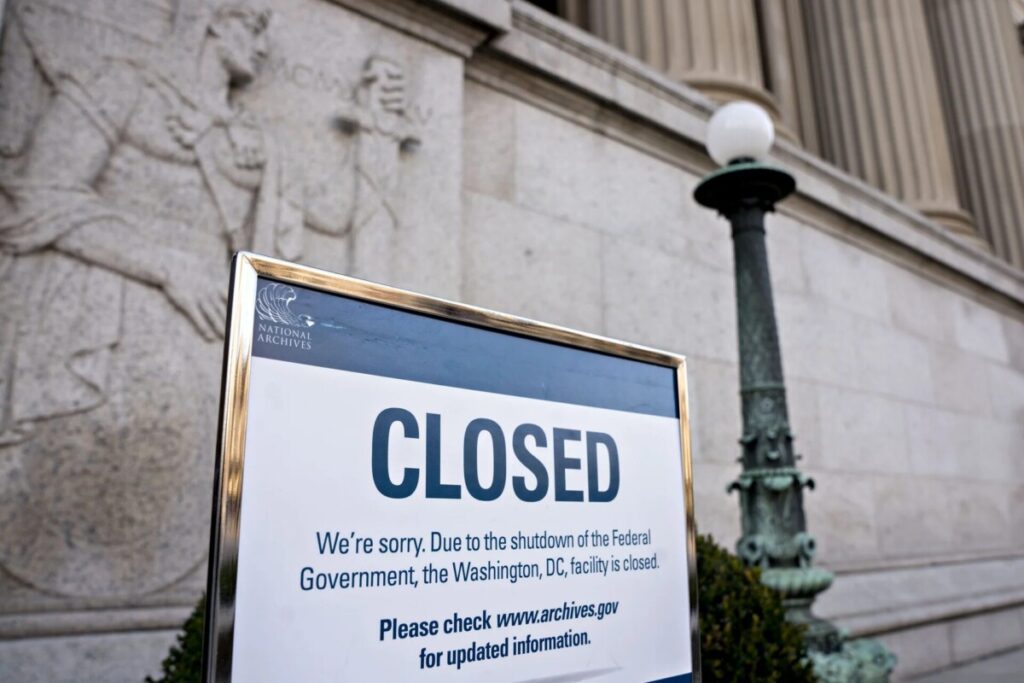
Both parties say they are standing firm on their principles. Republicans on limiting spending, Democrats on protecting health care, but for many Americans, these debates feel far removed from the everyday impact of missing paychecks, stalled programs, and closed services. Public frustration is growing, financial markets are watching, and pressure on lawmakers is increasing with each day the shutdown continues.
Some lawmakers are hoping for a short-term deal to reopen the government while broader budget talks continue. But at this point, neither side has shown a clear willingness to compromise. For now, the shutdown remains in effect becoming the second-longest in U.S. history, and millions of Americans are waiting for Washington DC to act.